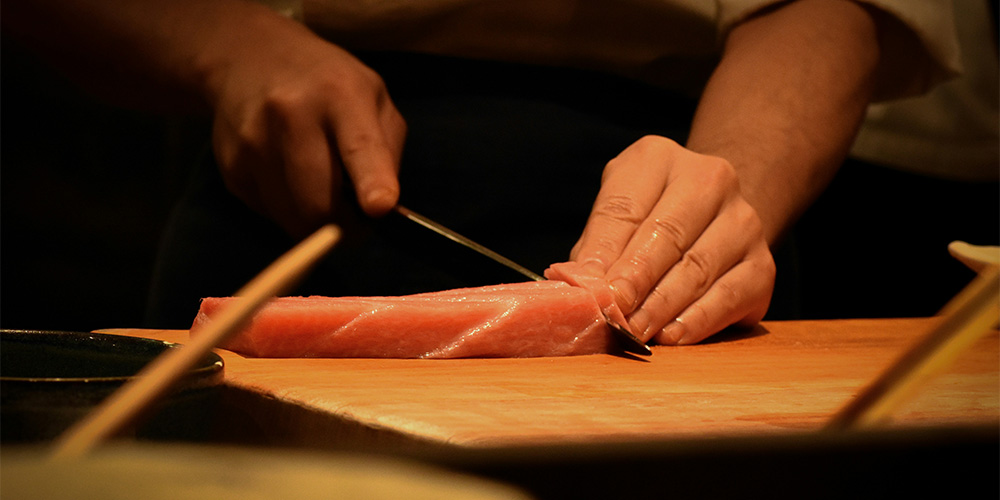
Cooking Tuna: 3 Delicious Recipes
Tuna’s firm, meaty flesh and rich taste make it incredibly versatile in the kitchen. Below are three delicious tuna recipes – from a quick seared steak to a vibrant poke bowl to a comforting tuna salad – that showcase different sides of this fish. Whether you have a fresh sashimi-grade tuna loin or a can of albacore in the pantry, these recipes will elevate your tuna enjoyment.
1. Sesame-Crusted Seared Tuna Steaks with Soy-Ginger Glaze
Ingredients (Serves 4):
4 tuna steaks (about 6 oz each, ~1 inch thick), ideally yellowfin or bluefin loin cuts
1/4 cup soy sauce
2 tablespoons sesame oil (divided)
1 tablespoon freshly grated ginger
2 cloves garlic, minced
1 tablespoon honey or brown sugar
2 tablespoons rice vinegar (or lime juice)
1/2 cup white and black sesame seeds (mixed)
Salt and freshly ground black pepper, to taste
2 tablespoons high-heat oil (vegetable or canola, for searing)
Sliced green onions and lemon or lime wedges, for garnish
Instructions:
Marinate the Tuna: In a bowl, whisk together the soy sauce, 1 tbsp of sesame oil, grated ginger, minced garlic, honey, and rice vinegar. Reserve about 2 tablespoons of this mixture in a separate cup (for finishing glaze). Place tuna steaks in a shallow dish or zip-top bag and pour the remaining marinade over them, ensuring each steak is coated. Marinate for 15–20 minutes (tuna soaks up flavors quickly; do not over-marinate or the acid will begin to “cook” the fish).
Prep the Sesame Crust: On a plate, spread the sesame seeds. Remove tuna from marinade (letting excess drip off) and pat the steaks dry with paper towels. Lightly season each steak with salt and pepper, then press each side of the steaks into the sesame seeds, coating thoroughly. The moisture of the tuna will help seeds adhere; for extra bind, you can lightly brush the steaks with the reserved 1 tbsp sesame oil before crusting.
Sear the Steaks: Heat a heavy-bottomed skillet or cast-iron pan over high heat. Add the high-heat cooking oil and swirl to coat. When the oil is shimmering (just starting to smoke), carefully place the sesame-crusted tuna steaks in the pan. Sear for about 45–60 seconds per side for rare (the sesame seeds will toast and form a crust) or ~1.5–2 minutes per side for medium-rare. Do not overcook: you want a good sear outside and a ruby-red or pink center (adjust times based on thickness). Use tongs to sear the edges for a few seconds as well, especially if your steaks are thick.
Glaze and Serve: Remove tuna steaks from pan and let rest on a cutting board for 2 minutes. Meanwhile, take the reserved soy-ginger marinade and pour it into the hot pan. Stir quickly – it should bubble and thicken slightly into a glaze. Turn off heat. Slice the tuna steaks against the grain (they will be rare in the center). Drizzle the warm soy-ginger glaze over the sliced tuna. Garnish with sliced green onions and a squeeze of citrus.
Serving Suggestion: Serve the seared tuna with a side of wasabi mashed potatoes or on a bed of steamed rice and sautéed greens. A light drizzle of wasabi mayo or an extra sprinkle of sesame seeds can add flair.
Flavor Note: This preparation delivers a wonderful contrast in textures – the outside is toasty and crunchy from the sesame crust, while the inside of the tuna is silky and barely cooked. The soy-ginger-honey glaze amplifies the umami of the fish and adds a touch of sweetness and zing. It’s a restaurant-quality dish that’s surprisingly quick (the actual cook time is just minutes). If you prefer an even more raw center (sashimi-style), you can sear for just 30 seconds a side – just be sure your tuna is super fresh or sushi-grade for very rare consumption.
2. Classic Tuna Poke Bowl
Ingredients (Serves 4):
1 lb fresh sushi-grade tuna (typically yellowfin or bigeye), cut into 1/2-inch cubes
1/4 cup soy sauce
1 tablespoon sesame oil
1 tablespoon honey or sugar
1 teaspoon rice vinegar
1 teaspoon grated fresh ginger
1 clove garlic, finely minced (or 1/2 teaspoon garlic paste)
2 green onions, thinly sliced (separate white and green parts)
1 tablespoon toasted sesame seeds (plus extra for topping)
1 teaspoon sriracha or chili flakes (optional, for heat)
Bowl Base & Toppings:
3 cups cooked short-grain rice (such as sushi rice), warm or at room temp
1 cup cucumber, diced or sliced into half-moons
1 avocado, sliced or cubed
1 cup edamame (soybeans), shelled and cooked
1/2 cup shredded carrot or radish sprouts (for crunch)
1 sheet of nori (seaweed), cut into small strips (or use furikake seasoning)
Pickled ginger and wasabi (optional accompaniments)
Instructions:
Prepare the Poke Marinade: In a mixing bowl, whisk together the soy sauce, sesame oil, honey, rice vinegar, grated ginger, minced garlic, and a pinch of chili or sriracha (if you like a spicy kick). Stir in the white parts of the sliced green onions and the 1 tbsp of toasted sesame seeds.
Marinate the Tuna: Add the cubed raw tuna to the bowl with the marinade. Gently toss to coat all the pieces. Cover and refrigerate for at least 15 minutes (and up to 1 hour). This allows the flavors to infuse the tuna. (Because the cubes are small and we have some acid from vinegar, avoid marinating much longer than an hour to keep texture optimal.)
Prepare Bowl Components: While tuna marinates, arrange your poke bowl ingredients. Spoon about 3/4 cup of cooked rice into each bowl as the base. Arrange the cucumber, avocado, edamame, and shredded carrot or sprouts in separate sections on top of the rice for a colorful presentation.
Assemble the Poke Bowls: Divide the marinated tuna cubes among the bowls, spooning them on top of the rice as the centerpiece. Drizzle a couple extra spoonfuls of the marinade over the assembled bowl as a dressing. Sprinkle with additional sesame seeds. Add the green parts of the sliced green onions on top. Finish by garnishing with nori strips or furikake seasoning for a touch of the ocean brine flavor.
Serving Suggestion: Serve immediately. Poke bowls are best enjoyed fresh – encourage diners to mix the ingredients together a bit to get rice, tuna, and toppings in each bite. Provide pickled ginger, wasabi, or extra soy on the side for those who want to customize each bite.
Flavor Note: Ahi poke is a Hawaiian classic that celebrates the pure flavor of fresh tuna. The word “poke” means “to cut into pieces,” and indeed this dish is all about the jewel-like cubes of seasoned raw tuna. The marinade gives savory depth (soy, sesame) with a hint of sweetness and zing, complementing the rich tuna. Meanwhile, the variety of bowl toppings – creamy avocado, crunchy cucumber, nutty edamame, and tangy pickled ginger – make each mouthful exciting. This is a light yet satisfying way to enjoy tuna on a warm day, and you can endlessly adapt poke bowls with your favorite add-ins (from mango chunks to spicy mayo). If you’re concerned about raw fish, you can use previously frozen sushi-grade tuna (freezing kills potential parasites) and always keep the fish cold until serving.
3. Classic Tuna Salad (Perfect for Sandwiches or Salads)
Ingredients (Serves 4):
2 cans (5 oz each) of tuna, drained (use high-quality albacore for a white, flaky tuna salad or chunk light for a softer texture)
1/3 cup mayonnaise (feel free to sub half with Greek yogurt for a lighter version)
1 teaspoon yellow mustard or Dijon mustard
1 tablespoon fresh lemon juice (about half a lemon)
1 stalk celery, finely diced (about 1/3 cup)
2 tablespoons red onion or shallot, finely minced (or swap 2 scallions)
2 tablespoons sweet pickle relish (or diced dill pickle)
1 teaspoon Worcestershire sauce (optional, adds umami depth)
1/4 teaspoon garlic powder (optional)
Salt and freshly ground black pepper, to taste
2 tablespoons fresh parsley, dill, or chives, chopped (for herby freshness)
Instructions:
Prep the Tuna: Open and drain the canned tuna well. If using albacore canned tuna, flake it with a fork in a mixing bowl, breaking up any large chunks. If using chunk light (typically skipjack), which is usually flakier, just add to the bowl.
Mix the Base: Add the mayonnaise, mustard, and lemon juice to the tuna. Stir until tuna is well coated and creamy. The consistency should be spreadable; if it looks a bit dry (some albacore is packed with less liquid), you can add an extra spoon of mayo or a drizzle of olive oil.
Add the Crunch and Flavor: Stir in the finely diced celery, minced red onion, and pickle relish. These add crunch and tangy-sweet flavor. Next, add the Worcestershire sauce (if using) and garlic powder. Mix everything thoroughly.
Season to Taste: Sprinkle in a pinch of salt and black pepper. Go easy on salt initially because some tuna and relish are already salty. Mix and taste – add more seasoning as needed. Finally, fold in the chopped fresh herbs (parsley, dill, or chives) for a fresh finish. The herbs brighten up the salad and add a homemade touch.
Chill (Optional): You can serve the tuna salad immediately, but if you have time, cover and refrigerate it for about 30 minutes. This chilling lets the flavors meld and enhances the texture.
Serving Suggestions: This classic tuna salad is extremely versatile. Pile it onto toasted bread or a croissant with lettuce and tomato for a satisfying tuna sandwich. Scoop it over mixed greens or into halved avocados or tomatoes for a gluten-free lunch. It can also be served with crackers or in lettuce wraps as an appetizer. For an old-school twist, make a tuna melt: spread tuna salad on bread, top with a slice of cheddar, and broil until bubbly
Flavor Note: This recipe is a nostalgic favorite – creamy, tangy, with the right amount of crunch. Using good-quality canned tuna is key: albacore tuna will yield a whiter, firmer tuna salad with a milder taste (and higher mercury, so consume occasionally), whereas “light” tuna (skipjack) gives a darker, richer-flavored salad. The lemon juice and relish give brightness and a touch of acidity to cut through the richness of the mayo, while celery and onion provide that satisfying crunch in each bite. One bite and you’re likely to remember school lunches or picnics, but done in a way that’s timelessly tasty. Feel free to tweak – some people love adding a chopped hard-boiled egg or a dash of hot sauce or curry powder to their tuna salad. This basic recipe is a solid foundation for your own signature tuna salad.
Cooking Tips and Techniques
Cooking tuna can range from searing a rare ahi steak to gently poaching or fully canning it. To get the best results and ensure safety, keep these tips in mind:
Don’t Overcook (Keep it Moist): Tuna is a lean fish (especially species like albacore and yellowfin), so it can dry out quickly if overcooked. For tuna steaks, many chefs actually prefer them cooked rare to medium-rare, meaning the center stays pink or red. This keeps the flesh tender and flavorful. If you do want it more done, aim for just barely medium (approximately 130–140 °F internal temp) – at that point it will be fully opaque but still reasonably moist. Beyond 140 °F, tuna becomes quite firm and can taste chalky. Remember, tuna (like a good cut of beef) will continue to cook a bit from residual heat after you remove it from the heat source. Letting it rest 2–3 minutes can help redistribute juicesfile-x7sawlepqxq8pvgxc3pbmgfile-x7sawlepqxq8pvgxc3pbmg. For reference, the USDA recommends fish be cooked to 145 °F for safety, but many consider tuna an exception when high-quality – searing the outside kills surface bacteria, and a rare center is an esteemed texture in cuisines.
Choosing the Right Cooking Method
Different tuna cuts and species lend themselves to different methods:
Grilling/Broiling: Great for steaks of hearty tunas like bluefin, yellowfin, or bigeye. High heat gives a nice char while the inside can remain medium-rare. Oil the grates and fish well to prevent sticking. Marinating tuna briefly (30 minutes or less) in something like soy, citrus, and oil can infuse flavor without the need for long cooking.
Pan-Searing: Ideal for that perfect ahi tuna sear – as in our sesame-crusted recipe. Use a very hot pan and sear briefly. You can also blacken tuna by rubbing with spices (paprika, cumin, cayenne) and searing – blackened tuna slices make fantastic tacos or sandwiches.
Baking/Roasting: If you have a whole tuna loin or thicker piece and want it more uniformly cooked (e.g., for a tuna casserole or to flake for salad), baking at 400 °F for about 10–15 minutes (depending on thickness) can cook it through gently. Cover with foil if you want to retain more moisture. A medium-rare roast of tuna might be achieved by searing all sides on the stovetop then finishing in a 375 °F oven for a few minutes.
Slow Poaching/Confiting: An advanced but rewarding technique is to poach tuna in olive oil (confit). Submerge seasoned tuna chunks in oil with herbs and gently simmer at low temp (~150–160 °F) until just cooked through. This produces ultra-moist tuna ideal for salads or antipasto – essentially gourmet canned tuna texture.
Canning/Processing: Speaking of canned tuna, if you’re an angler with an abundance of tuna, pressure-canning your own tuna in jars (with oil, salt, maybe a chili pepper) can be a fun project. It’s how those premium Spanish tuna preserves are made. Just be sure to follow safe canning procedures.
Safety with Raw Tuna: Tuna is commonly eaten raw (sushi, sashimi, poke) and is generally safe if handled properly. “Sushi-grade” is a marketing term, but it implies the fish was handled from catch to table in a way to minimize pathogens. For raw consumption, it’s recommended that tuna has been frozen to -20°C (-4°F) for at least 7 days (per FDA guidelines) to kill parasites. Most commercial sushi tuna has been deep-frozen. Once thawed, keep it very cold and use within a day. Additionally, be aware of scombroid poisoning: if tuna (or related fish like mackerel) is kept at warm temperatures too long, bacteria can produce histamine in the flesh, which isn’t destroyed by cooking. This leads to flushing and allergy-like illness in people who eat it. To avoid this, always keep tuna chilled – from the moment it’s caught (bleed and ice it immediately) to thawing in the fridge, not on the counter. If the tuna has a sharp, peppery smell or tastes “spicy” unexpectedly, stop eating – that can be a sign of high histamine. In restaurants, raw tuna is generally safe but it’s always a slight risk, so vulnerable individuals (pregnant, immunocompromised) should consume only fully cooked seafood.
Flavor Pairings
Tuna’s flavor varies by cut and species. Fatty bluefin otoro is extremely rich and buttery, while canned skipjack is fairly mild. Here are great pairings:
Acidic & Bright: Tuna loves citrus – lemon, lime, orange, yuzu. A squeeze of lemon on a grilled tuna steak elevates it. Vinegar-based sauces (like a sherry vinegar reduction or ponzu sauce) cut through the richness of fatty tuna. Fresh tomatoes, capers, and olives (as in a Mediterranean preparation or Niçoise salad) provide acidity and salt that complement tuna’s meatiness.
Umami & Savory: Soy sauce, miso, and seaweed all bring out tuna’s savory side. Think miso-glazed tuna or tuna marinated in teriyaki. In European style, anchovies or Worcestershire in a tuna dish boost depth (our tuna salad uses a dash of Worcestershire for this reason). Tuna can handle bold seasonings like garlic, ginger, and chili because its natural flavor is assertive.
Herbs & Aromatics: Fresh herbs like dill, parsley, cilantro, and basil can all pair nicely, depending on the dish. Dill and parsley often appear with tuna salad or tuna casseroles, while cilantro might garnish a tuna poke or taco. Spices like cumin and coriander are sometimes used in crusts for seared tuna, especially in fusion or island cuisines.
Rich Complements: Because tuna can be lean, serving it with a sauce or side that adds healthy fats can be great. Examples: wasabi mayo drizzle on seared tuna, or a citrus butter sauce as mentioned in the wahoo guide (which works for tuna too)file-x7sawlepqxq8pvgxc3pbmg. Even a simple aioli or herb butter can do wonders on a grilled tuna steak. For poke or sashimi, a bit of fatty avocado complements the lean protein both in flavor and nutrition.
Smoking: Tuna takes well to smoking – lightly smoking a tuna loin (e.g., applewood or hickory for a short time) yields a delicacy. Smoked tuna flaked over a salad or turned into a dip is fantastic. Just be careful not to over-smoke (tuna can dry); a quick hot smoke of maybe 15–20 minutes could suffice for thin pieces.
Texture Considerations
High-quality tuna has a steak-like, firm texture that makes it satisfying in meaty preparations. To keep that texture, follow these tips:
When grilling or searing, start with dry fish (pat it with paper towels) to get a good sear.
Cut against the grain when slicing cooked tuna for tenderness.
For tuna that will be used in salads or mixed (like canned or poached tuna), flake it gently to retain some chunks – over-shredding can make it pasty. Leaving bite-size pieces gives a better mouthfeel.
If making something like tuna burgers or fish cakes from fresh tuna, be careful not to over-process the fish; you still want some texture of the fish in the patty.
Tuna can be served raw, seared, or fully cooked, and each has its appeal. Raw or seared highlights the silky, lush quality of the fish (almost like a rare beef tenderloin). Fully cooked (as in canned tuna or confit) emphasizes a flaky, dense texture that carries other flavors well (like mayo, spices, etc.).
Resting and Carryover: Just as you would let a steak or roast rest after cooking, let tuna steaks rest a couple minutes after coming off the heat. This small pause allows heat to equalize and juices to redistributefile-x7sawlepqxq8pvgxc3pbmgfile-x7sawlepqxq8pvgxc3pbmg. If you cut immediately, you might see more juice loss on the plate. Also, remember carryover cooking: a thick tuna steak might rise an additional 5°F internally after removal from heat. So if you aim for 130°F final, you might take it off around 125°F and let it coast.
Sustainability Tips: From a cooking perspective, using the whole tuna is wise. If you have toro (fatty belly), know that it’s best raw or just kissed by heat – it’s too fatty to can well, for instance. The darker meat (bloodline) of tuna has a stronger flavor many don’t prefer straight, but it can be used in recipes with strong seasoning (like spicy tuna rolls or tuna burgers with seasoning). Also, consider trying species like bonito or frigate tuna if available locally – they can be prepared similarly and take pressure off the more threatened stocks.
With these tips, you can approach tuna cookery with confidence. From the ocean to the pan to the plate, treating tuna right will reward you with a meal that is both delicious and nutritious – truly the best of land and sea in one bite.
FAQ (Frequently Asked Questions)
How many species of tuna are there?
There are 15 recognized species of true tuna (tribe Thunnini) in the world. The most commonly known are the seven main commercial species: skipjack, albacore, yellowfin, bigeye, and three species of bluefin (Atlantic, Pacific, and Southern). Each species varies in size, range, and culinary value – for example, skipjack are small and abundant (often canned as “light” tuna), while bluefins are large and prized for sushi. There are also a few smaller relatives sometimes called “tuna,” like blackfin and bonito, which belong to the broader mackerel/tuna family.
Is tuna a healthy fish to eat?
Yes, tuna is generally considered a healthy, lean protein choice. It’s high in protein, low in saturated fat, and a good source of nutrients like omega-3 fatty acids, vitamin D, and selenium. Omega-3s in tuna support heart and brain health. For example, albacore tuna has about three times the omega-3 content of skipjack tuna. Tuna is also rich in B-vitamins and provides minerals like iron and magnesium. However, certain tuna (especially large long-lived ones) can be high in mercury – so moderation is advised (see more on mercury below). Including tuna in your diet a few times a week can be beneficial, particularly if it replaces red or processed meats. Just be mindful of preparation: tuna canned in water with minimal mayo will be more healthful than tuna salad loaded with mayonnaise, for instance.
Does tuna have high mercury levels?
Some tuna can, yes. Mercury accumulates in larger predatory fish, and tuna are no exception. In general, larger species like bluefin, bigeye, and albacore have higher mercury, while smaller tunas like skipjack and blackfin have lower levels. Canned “white” tuna (albacore) typically has more mercury than canned “light” tuna (usually skipjack) – enough that health agencies recommend limiting albacore canned tuna to about once per week for adults. The FDA/EPA guidelines suggest that most adults can safely eat 2–3 servings (8–12 oz) per week of low-mercury fish, and they categorize light tuna (skipjack) as low mercury, but albacore as higher. Children and pregnant women are advised to be more conservative. For example, pregnant women might limit tuna to 1 serving a week or choose light tuna over white. That said, occasional consumption of higher-mercury tuna is fine for most healthy adults – it’s chronic, frequent intake that poses a risk. If you’re a big tuna lover, opt more often for skipjack or smaller yellowfin, and avoid eating huge servings daily. Selenium in tuna may also counteract some mercury toxicity, according to some research, but not enough to ignore intake guidelines. In summary: tuna is nutritious, but vary your seafood choices to minimize any one contaminant.
Which tuna is used in canned tuna?
Primarily either skipjack tuna or albacore tuna. Skipjack tuna (often just labeled “light tuna” on cans) accounts for the majority of canned tuna worldwide – it has a stronger flavor and darker color. Albacore tuna is labeled as “white tuna” and has a milder taste and firmer, whiter flesh. Some cans (especially gourmet brands) also use yellowfin tuna (sometimes called “chunk light” as well, or specified as yellowfin on the label). Each has its fans: white/albacore tuna is larger flake and more neutral, while light/skipjack is softer and more “tuna-forward” in flavor. Nutritionally, skipjack tends to have slightly less mercury and more omega-3 than albacore, but both are good protein sources. There’s also oil-packed vs water-packed – oil-packed can have a richer taste (often used in European tuna in olive oil), while water-packed is lighter and lower calorie.
Can I feed tuna to my cat or dog?
Occasionally, in moderation. Many cats, in particular, go crazy for the smell and taste of tuna. A small amount of plain tuna (preferably cooked or canned, not seasoned or sauced) as a treat is okay for pets. However, tuna should not replace a balanced pet diet. Cats that are fed lots of tuna (especially canned tuna for humans) can develop nutritional deficiencies – tuna doesn’t have all the nutrients cats need (for example, it’s low in vitamin E and high in unsaturated fats, which can cause a condition called steatitis if overfed). Mercury is also a consideration for pets, just as for humans. If you want to give tuna, opt for chunk light (skipjack) and only a spoonful or two. As for dogs, they can eat tuna in small amounts, but it’s not a common dog food ingredient due to mercury and high protein (which can be rich for some dogs). Always remove any bones (if from a cooked steak) and avoid seasoned or oily preparations. A better approach: Look for pet foods or treats that contain tuna formulated for animals – these will ensure the pet is getting a balanced intake. And definitely avoid giving raw tuna to pets; it could harbor parasites or bacteria that their systems aren’t used to.
What can I substitute for tuna in recipes?
It depends on the recipe, but there are good substitutes: For grilled or seared tuna steaks: Other meaty fish like swordfish, mahi-mahi (dolphinfish), or marlin have a similar firm texture and can be cooked in the same ways. Swordfish in particular is often described as the “steak of the sea” like tuna. Keep in mind swordfish and marlin also carry mercury, though. If avoiding that, Pacific halibut or cobia could work for grilling (though they have different flavor). Salmon is an oily fish with a different taste, but thick salmon steaks can also stand in for tuna in some grilled recipes, albeit with a more pronounced flavor.
For raw preparations (sashimi, poke): If you can’t get sushi-grade tuna, you might use salmon (sushi-grade) for poke bowls or sushi – salmon poke is quite popular. Another substitute could be hamachi (yellowtail amberjack) if available; it has a rich texture good for sashimi. Some creative poke bowls even use watermelon (marinated) as a vegan tuna alternative, mimicking the color and texture.
For canned tuna in tuna salad or casseroles: You can use canned chicken (for a “chicken salad” – different flavor, but similar concept) or even canned salmon. There’s also a product called “chuno” (chickpea-based tuna alternative) for vegetarians. If the goal is to avoid mercury, you could use small canned fish like sardines or mackerel – they’re more flavorful/oily though, so the end result will differ. Jackfruit is sometimes used as a vegan flaky fish substitute, but the taste is not tuna-like; it’s more about texture.
For steaks in recipes like tuna Nicoise salad: If you want to avoid tuna, you could grill a piece of firm tofu marinated in similar flavors for a vegetarian twist, or use cooked chicken breast for a non-seafood version (though then it’s no longer “Nicoise” technically). If it’s about sustainability, consider using pole-and-line caught skipjack tuna instead of an overfished species, or even farm-raised tuna if it becomes available (some companies are working on sustainably farming tuna).
In short, for cooking techniques that call for tuna’s firm flesh, use other firm-flesh fish; for cold salads or spreads, cooked chicken or other canned fish can step in; and for raw, stick to sushi-grade alternatives like salmon or hamachi. The flavor won’t be identical, but you can still make a delicious dish.
What is “sushi-grade” tuna?
What is “sushi-grade” tuna? “Sushi-grade” isn’t a formally regulated term – it’s essentially a marketing label indicating quality and safety for raw consumption. In practice, sushi-grade tuna should have been handled very carefully: flash-frozen shortly after capture to kill parasites, kept at very low temperature to preserve its quality, and usually of top freshness with a nice color and texture. Vendors use the term to signal that a fish is safe to eat raw and of high enough quality to serve uncooked. For tuna, color is one factor (it should be a fresh deep red or pink, not brown – though beware, some less-scrupulous sellers treat tuna with CO to preserve red color, which can be misleading). When you see “sashimi-grade” or “sushi-grade” tuna at a fish market, it’s the piece they intend for raw dishes. However, still use your judgment: make sure it smells clean (like the ocean, not fishy), is glossy and moist but not slimy, and is within its sell-by date. If truly sashimi grade, you could slice and eat it raw with soy and wasabi. If you have any doubt about the quality, it’s safer to cook the tuna. And remember, even sushi-grade tuna should be kept cold and consumed promptly. If you freeze tuna at home, know that domestic freezers (-18°C/0°F) may not be as effective at killing parasites as commercial deep freezers, so starting with commercially frozen sushi tuna is recommended for raw dishes.
Why is bluefin tuna so expensive?
Bluefin tuna’s price, especially in Japan, can reach astronomical heights for a few reasons:
High Demand, Low Supply: Bluefin is considered the ultimate tuna for sushi (particularly the fatty belly, otoro). It’s revered for its flavor and texture. At the same time, bluefin populations (Atlantic and Pacific) declined due to overfishing, making large specimens scarcer. Classic supply-and-demand economics drive the price up. In Japan, having the first (or best) bluefin of the year auctioned at a record price has also become a publicity event for restaurants and markets.
Quality and Size: Bluefins are huge, and raising or catching one to maturity takes time and effort. Fishermen might spend extensive resources (fuel, equipment, time) to land a single giant bluefin. When they do, that fish can weigh 500+ lbs and yield premium cuts worth a lot on the market. A single fish can supply many high-end sushi restaurants with toro and maguro. The best of the best (top fat content, perfect color) is almost treated like fine wine or art at auction.
Cultural Significance: In sushi cuisine, bluefin tuna has a legendary status. Historically, interestingly, tuna wasn’t always seen as gourmet – but in the mid-20th century, refrigeration and global transport turned it into a luxury. Now, serving bluefin is a point of prestige. Early morning tuna auctions at Tokyo’s fish market have media coverage, and winning the first big tuna of the year for a huge price is seen as good luck and a marketing win.
Limited Alternatives: While other tunas (like bigeye or yellowfin) are also delicious and used for sushi (often labeled maguro if bigeye), true connoisseurs and many traditional chefs maintain that nothing matches the mouthfeel of top-grade bluefin otoro. This keeps demand for bluefin particularly high among purists, and as long as that’s the case, prices stay high.
In summary, bluefin is expensive because it’s the “wagyu beef” of the sea – a combo of rarity, flavor, and cultural hype. For everyday eating, most of us are fine with affordable canned tuna or a piece of yellowfin, but for special occasions or elite sushi counters, bluefin holds a special allure (albeit one increasingly questioned by sustainability-minded consumers).
How often is it safe to eat tuna?
For most healthy adults, eating 2-3 times per week of a variety of fish, including tuna, is recommended. If those servings are predominantly light tuna (skipjack) or smaller tunas, mercury exposure remains low. If you love albacore (white canned tuna), it’s prudent to limit that to about once a week as mentioned earlier. Pregnant women or young children should limit white/albacore tuna to a maximum of once a week (or even avoid during pregnancy, per some advisories) and can have light tuna about twice a week safely. Another angle: If you eat very large portions of tuna steaks, consider them equivalent to multiple servings. The key is moderation and variety – mix tuna with other fish like salmon, tilapia, shrimp, etc., over the week. Also consider how the tuna is prepared: fried tuna or tuna casserole with lots of cheese might be less healthy overall than a simple grilled tuna fillet. So, frequency in terms of health isn’t just mercury; it’s also about overall diet balance. Many heart-health diets suggest tuna (especially in place of red meat) is beneficial, so a couple times a week is great. Just don’t have tuna at every meal, every day. If you are in a high-risk category or concerned, consult the EPA/FDA guidelines or ask a healthcare provider for personalized advice.
Is raw tuna safe to eat?
If it’s fresh, properly handled, and ideally previously frozen, raw tuna is generally safe for most people. Tuna is actually one of the fish with lower incidence of parasites (like worms) compared to something like wild salmon. But the risk isn’t zero. Freezing tuna to sushi-grade standards (-20°C for 7 days or flash freezing at -35°C for 15 hours) will kill parasites. It does not kill bacteria, but fish meant for raw consumption is usually handled in very clean conditions and meant to be eaten quickly. When you order sashimi or poke at a reputable place, they are using fish that has been treated for safety. Problems can arise if raw tuna isn’t kept cold – bacteria can grow, or as discussed, histamine (scombroid) poisoning can occur from improper temperature control. But tuna doesn’t carry the kinds of pathogens one might find in raw meat (like E. coli in beef), so the main concerns are parasites (handled by freezing) and spoilage/histamine (handled by refrigeration). Thus, raw tuna is considered “relatively safe” even when rare, and millions of people enjoy it regularly. If you’re serving at home, get true sushi-grade tuna from a trusted fishmonger, keep it ice-cold, and prepare it with clean utensils on a clean surface. Consume it the same day you buy it, ideally. People with compromised immune systems should probably avoid raw seafood. But for most, a tuna sashimi appetizer or spicy tuna roll is a safe treat when sourced carefully. Always trust your senses too – if raw tuna smells off or has a mushy texture, don’t eat it raw. When in doubt, cook it.
Hopefully these FAQs clear up some common points of curiosity and concern about tuna. Tuna truly is a remarkable food resource – nourishing, delicious, but to be respected (both in how we catch it and how we consume it). Enjoy tuna in all its forms, and remember our role in keeping tuna populations healthy for the future!
Conclusion
Tuna are more than just fish; they’re a global icon bridging the worlds of high seas adventure and culinary delight. Whether you pursue a lightning-fast tuna for its blistering fight on rod and reel, or you savor a perfectly seared tuna steak at dinner, it’s clear that tuna deserve our respect and responsible care. We’ve journeyed through the species profiles – from massive bluefins to humble skipjacks – and learned how these predators live and why they’re valued. We’ve seen how cultures around the world honor tuna in their traditions and cuisine, and we’ve recognized the need for sound regulations (like those by ICCAT and national bodies) to keep tuna populations sustainable.
As anglers, the onus is on us to fish sustainably – use appropriate tackle to minimize fight times (reducing stress on the fish), stick to bag limits, and practice catch-and-release with care, especially for big breeding tuna. By refining our techniques and gear (perhaps employing circle hooks to reduce bycatch, or using barbless hooks for easier releases), we become better stewards of the ocean. Logging catches and participating in tagging programs, for instance, can contribute to science that helps manage tuna stocks.
As consumers and cooks, we can also make a difference. Opt for tuna from well-managed fisheries (look for certifications or labels indicating the tuna was caught in a dolphin-safe, sustainable way) and consider enjoying those abundant species like skipjack or yellowfin in moderation instead of always chasing bluefin. When you do have tuna on your plate – be it a can of albacore for lunch or an extravagant sushi dinner – take a moment to appreciate the journey that fish made from ocean to table. Proper handling and cooking, as we’ve detailed, will ensure you get the best flavor and nutrition tuna can offer. And by avoiding waste (using leftovers in recipes, for example), we honor the catch fully.
In “The Ultimate Guide to Tuna,” we’ve aimed to equip you with knowledge to enhance both your fishing and cooking experiences. Tuna are truly a gift of the sea – powerful yet fragile in their long-term survival. With informed anglers and consumers, we can enjoy tuna for generations to come. So next time you gear up for an offshore trip or reach for that sushi menu, do so with confidence and conscience. Here’s to tight lines, delicious meals, and keeping the thrill of tuna alive and well. Tight lines and bon appétit!
Related Articles
- Tuna Species and Their Traits
- How to Catch Tuna: Gear, Techniques and Tips
- Tuna Culture, History and Conservation
- Selecting Outriggers
- Selecting Fishing Line
- Selecting a Fishing Rod
- Selecting a Fishing Reel
- Selecting a Rod and Reel Combo
- Ultimate Guide to Freshwater and Saltwater Fishing Lures and Baits
- Stove Selection Advice
- Safe Propane Installations
- Selecting a Marine Grill