
SHOP BY CATEGORY
SHOP BY BRAND
Anchor & Docking




Boat Anchors, Dock Lines & Docking Equipment
Anchoring and docking equipment allows boaters to secure their vessels safely whether stopping offshore, tying up at a marina, or mooring overnight. The right combination of boat anchors, anchor rodes, dock lines, fenders, and cleats helps keep your boat in position while protecting it from wind, waves, and current.
Boat anchors hold a vessel in place when away from shore, while docking equipment protects the hull and stabilizes the boat when tied to a dock. Choosing the proper anchoring and docking gear depends on boat size, water depth, and seabed conditions such as sand, mud, rock, or grass.
Reliable marine anchoring and docking systems reduce drifting risk, minimize hull damage, and provide confidence when your boat is unattended.
What Equipment Do You Need to Anchor or Dock a Boat?
To safely anchor or dock a boat, most vessels require several key pieces of marine equipment. These typically include a boat anchor, anchor line or chain (known as an anchor rode), dock lines, boat fenders, and cleats or secure attachment points.
Anchors hold the vessel in position when stopped offshore or at anchorages. Dock lines and fenders help stabilize the boat when tied to docks or moorings while protecting the hull from impacts caused by waves or wakes.
Using properly sized anchoring and docking equipment improves safety, protects your boat from damage, and ensures reliable mooring in changing weather conditions.
Types of Boat Anchors
Different anchor designs provide holding power depending on bottom conditions and boat size. Choosing the right anchor ensures that your vessel stays secure in a wide range of environments.
Fluke Anchors
Fluke anchors are lightweight and widely used on recreational boats. Their flat flukes dig into sand and mud bottoms to provide strong holding power relative to their size.
Claw Anchors
Claw anchors reset easily and perform well in mixed seabed conditions such as sand, mud, and gravel. Their design allows them to maintain holding power even if the boat changes direction due to wind or current.
Plow Anchors
Plow anchors penetrate the seabed and provide reliable holding in sand, mud, and grassy bottoms. They are commonly used on cruising boats and larger vessels.
Grapnel Anchors
Grapnel anchors are compact and foldable, making them popular for small boats, dinghies, and kayaks. They are often used for temporary anchoring in calmer waters.
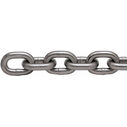
Anchors are typically paired with anchor chain and rope rode systems that improve holding power and reduce strain on the anchor itself.
Docking Equipment for Boats
Docking equipment keeps boats secure and protects the hull when tied to docks, marinas, or mooring points.
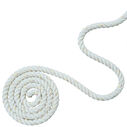
Dock Lines
Dock lines secure your boat to the dock and control movement. A proper docking setup includes bow lines, stern lines, and spring lines that prevent the boat from drifting forward or backward.
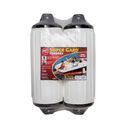
Boat Fenders
Boat fenders act as cushions between the boat and dock. They absorb impacts and prevent scratches, dents, and structural damage caused by waves or passing boat wakes.
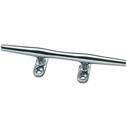
Dock Cleats
Dock cleats provide strong attachment points for securing dock lines and anchor lines. Properly installed cleats ensure that lines remain secure under tension.
Mooring Whips
Mooring whips help hold a boat away from the dock by applying tension that keeps the vessel centered between two flexible poles. They are commonly used in areas with frequent wave action.
How to Anchor a Boat Safely
Anchoring a boat correctly helps keep the vessel in position even when wind or current shifts.
-
Choose an anchoring location with appropriate water depth and bottom conditions.
-
Lower the anchor slowly instead of throwing it.
-
Pay out enough anchor line, typically five to seven times the depth of the water.
-
Allow the anchor to settle and dig into the seabed.
-
Reverse the boat gently to set the anchor and confirm that it holds.
Proper anchoring technique helps prevent drifting and ensures the anchor remains securely set.
Boat Anchoring and Docking Checklist
Before leaving the dock, confirm that your vessel carries the following anchoring and docking gear.
-
Primary boat anchor
-
Anchor chain and rope rode
-
Dock lines for bow, stern, and spring lines
-
Boat fenders to protect the hull
-
Dock cleats or attachment hardware
-
Boat hook for handling lines
-
Backup or secondary anchor for emergencies
Having the proper equipment onboard allows boaters to secure their vessels safely in a wide range of conditions.
Choosing the Right Anchoring and Docking Gear
Selecting anchoring and docking equipment depends on several factors including boat size, water depth, seabed type, and expected weather conditions. Larger vessels typically require heavier anchors and stronger dock lines, while smaller boats can use lighter anchoring systems.
Boaters operating in tidal areas or exposed anchorages may benefit from longer anchor rodes, heavier chain, or additional anchoring systems.
Understanding how different anchoring components work together allows boaters to secure their vessels more confidently and safely.
Anchoring & Docking FAQs
What size anchor do I need for my boat?
The correct anchor size depends on the length, weight, and wind exposure of the boat. Larger boats require heavier anchors with greater holding power to prevent drifting in strong wind or current. Many boaters also carry a secondary anchor to handle changing seabed conditions or emergency situations.
What is the best anchor for a boat?
There is no single anchor that works best in every situation. Fluke anchors perform well in sand and mud, claw anchors handle mixed seabeds, and plow anchors provide reliable holding across many bottom types. Selecting the right anchor depends on where you boat and the conditions you encounter most often.
What is the difference between anchoring and docking?
Anchoring secures a boat to the seabed using an anchor and rode system. Docking secures a boat to a fixed structure such as a dock, marina, or mooring using dock lines and fenders. Both methods are used to keep boats stable and protected when not underway.
How long should dock lines be?
Dock lines should generally be two-thirds to the full length of the boat. This length allows enough flexibility to accommodate tide changes and boat movement caused by waves or passing wakes.
Do you need both anchor chain and rope?
Yes. Anchor chain helps keep the anchor positioned correctly on the seabed so it can dig in and maintain holding power. Rope rode provides flexibility and shock absorption as the boat moves with wind or current.