Boat Motor Buyer's Guide: Outboard, Inboard & Trolling Motors Explained
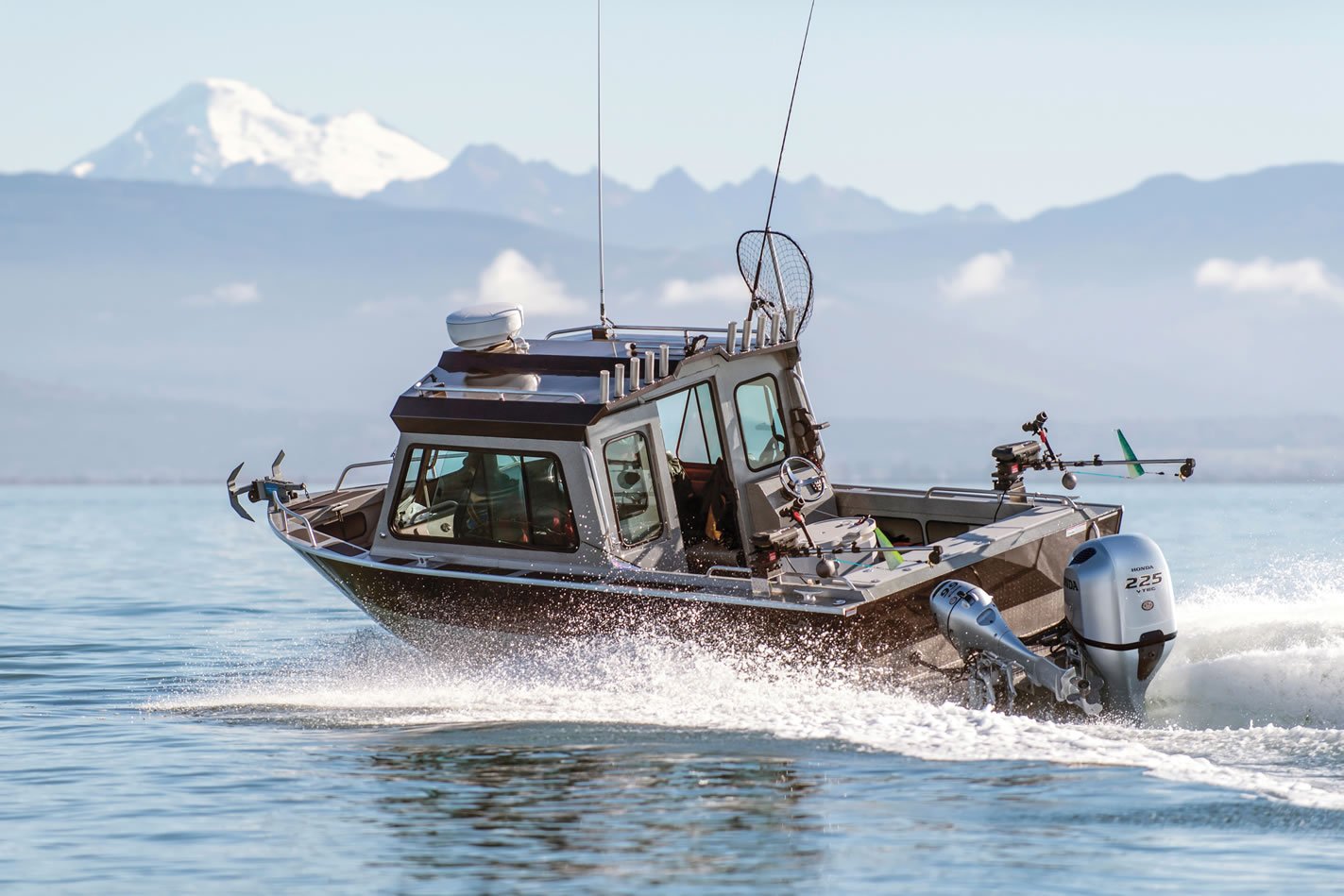
A boat motor is the heart of any watercraft — the difference between a great day on the water and a frustrating one. Whether you're upgrading your current setup, replacing a failing engine, or outfitting a brand-new boat, choosing the right motor is one of the most important decisions you'll make as a boater. The right engine affects your fuel costs, maintenance burden, fishing success, towing capability, and how much you simply enjoy being on the water.
This guide covers the three main categories of boat motors — outboard motors, inboard engines, and trolling motors — with clear guidance on who each type is built for, what to look for when buying, and how to maintain what you own. We also cover when it makes sense to replace a failing motor rather than repair it.
Outboard Motors: The Gold Standard for Recreational Boating
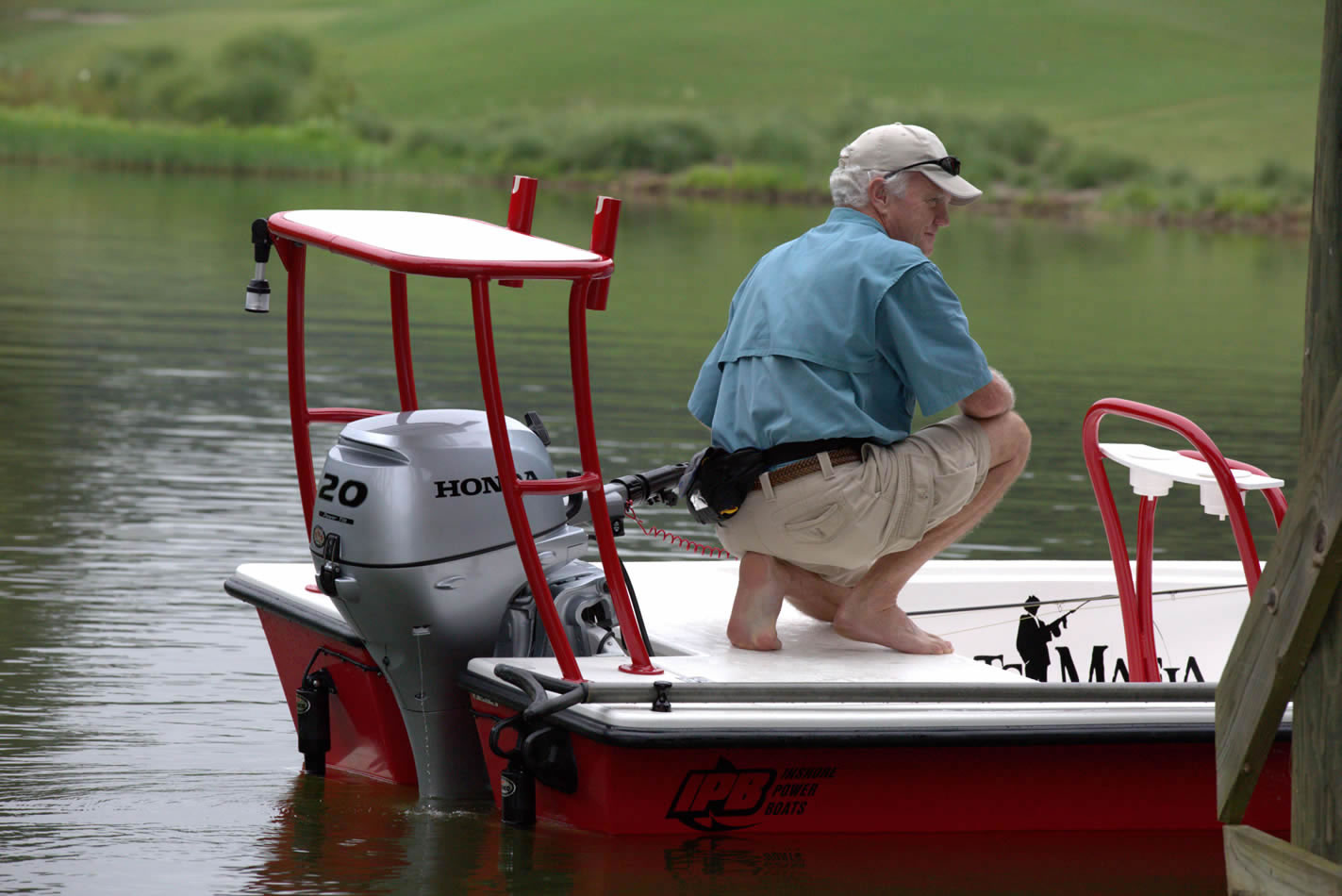
An outboard motor is a self-contained propulsion unit mounted externally on a boat's transom. It integrates the engine, gearbox, and propeller into one compact assembly that can be tilted up when not in use, easily serviced, or removed entirely for maintenance or transport. Outboards are the most popular type of boat motor in the world for good reason — they're versatile, accessible, and available in an enormous range of sizes to fit virtually any vessel.
Benefits of Outboard Motors
- Easy Service and Replacement: The entire powerhead is accessible without pulling the boat from the water. Most routine maintenance can be done by an experienced DIYer.
- More Interior Space: No engine compartment required. All mechanical components live outside the hull, freeing up valuable usable space onboard.
- Shallow-Water Capability: Outboards can be tilted up to clear shallow shoals, sandbars, and rocky areas — a critical advantage for inshore fishing and coastal cruising.
- Wide Horsepower Range: From 2.5 HP portable units to 400+ HP offshore powerhouses, outboard motors cover the full spectrum. See our 4-Stroke Horsepower Guide for detailed help choosing the right HP for your boat.
- 4-Stroke Efficiency: Modern 4-stroke outboards deliver up to 30% better fuel economy than equivalent 2-stroke motors, meet current EPA and CARB emissions standards, and run significantly quieter. Read our complete 4-Stroke Outboard Motor Guide for everything you need to know.
What Boats Are Outboard Motors Built For?
Outboard motors are the default propulsion choice for fishing boats, pontoon boats, inflatable and RIB tenders, center consoles, bay boats, skiffs, jon boats, and small to mid-size runabouts. They're also widely used in rescue and patrol craft, rental fleets, and utility vessels where reliability and ease of service are priorities. If your boat has a transom — and most recreational vessels do — an outboard motor is likely a viable option.
Key Factors When Choosing an Outboard Motor
- Boat Size, Weight, and Horsepower Rating: Always match the motor's HP to your boat's capacity plate rating. Heavier boats require more horsepower to achieve proper planing and safe handling. Never exceed the rated maximum HP.
- Shaft Length: The motor's shaft length must match your transom height. Short (15"), long (20"), extra-long (25"), and ultra-long (30") are the standard sizes. An incorrect shaft length causes ventilation problems, overheating, and poor performance.
- Fuel System — EFI vs. Carburetor: Electronic fuel injection (EFI) offers better fuel economy, easier cold-weather starts, and improved throttle response. Carbureted motors are simpler and less expensive but less efficient. Most new outboards above 25 HP now use EFI.
- Steering System: Small motors use tiller steering; mid- and high-HP motors require remote cable or hydraulic steering. Hydraulic steering dramatically reduces helm effort and improves control at higher speeds. Browse hydraulic steering systems at West Marine.
- Power Trim and Tilt: Adjusting the motor's running angle reduces drag, improves planing, and optimizes fuel economy. Power trim is standard on most mid- to high-HP outboards and makes a meaningful difference in real-world performance.
- Number of Cylinders: Single-cylinder and two-cylinder motors are compact and lightweight. Three- and four-cylinder motors deliver smoother power and higher RPM capability for larger boats and more demanding use cases.
- Starting System: Electric start is strongly recommended for mid- to high-HP motors. Recoil (pull-start) is standard on smaller portables. Some high-HP models also support hydraulic starting for commercial applications.
Outboard Motor Maintenance Essentials
Consistent maintenance is the single most important factor in outboard motor longevity. Key tasks include:
- Oil and filter changes every 100 hours or annually. Use only manufacturer-specified 4-stroke marine oil.
- Gearcase lube replacement annually or per service schedule. Shop gearcase lubricant at West Marine.
- Spark plug replacement per service interval. Shop marine spark plugs at West Marine.
- Flushing with fresh water after every saltwater use. Use a motor flusher for quick, thorough flushing on the trailer.
- Water pump impeller replacement annually. This is one of the most overlooked — and most consequential — maintenance items on any outboard. Shop water pump kits at West Marine.
- Zinc anode inspection for saltwater use. Replace when 50% consumed to protect against galvanic corrosion. Shop outboard zincs at West Marine.
- Seasonal winterization including fuel stabilization, oil change, and battery storage. See our complete Outboard Motor Winterization Guide.
Performance upgrades worth considering include power trim and tilt, hydraulic steering, and propeller upgrades matched to your specific boat and load. See our DIY Outboard Motor Maintenance Guide for step-by-step instructions on most routine tasks.
Shop 4-Stroke Outboard Motors at West Marine
Shop Electric Outboard Motors at West Marine
Read the Complete 4-Stroke Outboard Motor Buyer's Guide
Inboard Engines: Built-In Power for Larger Vessels
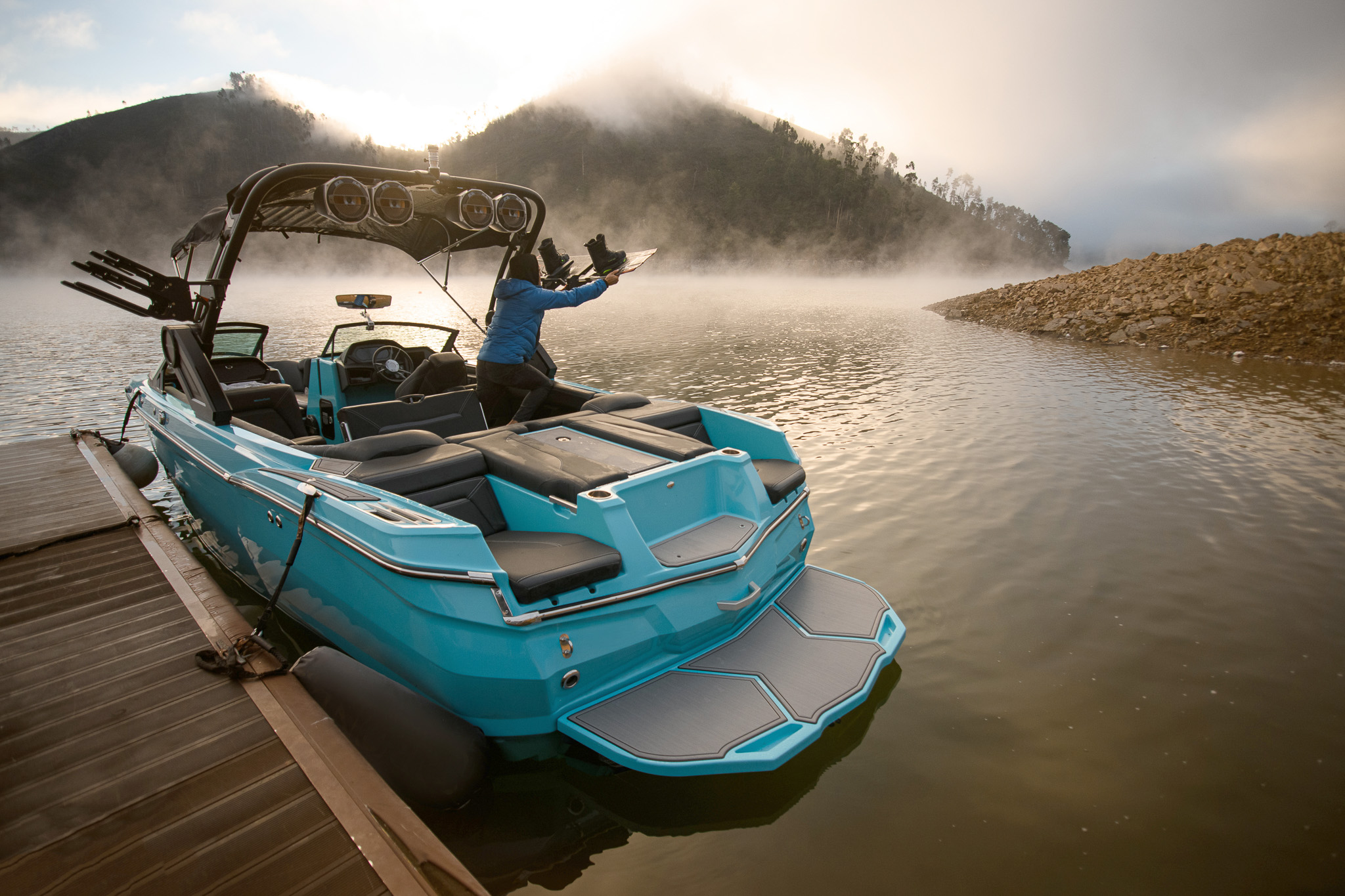
An inboard engine is mounted inside the hull of the boat, with a fixed driveshaft connecting through the hull to a propeller positioned beneath the boat. Inboards are typically gasoline or diesel powerplants designed for sustained high-output use, long operational lifespans, and excellent weight distribution in larger vessels. Unlike outboards, the engine itself is not accessible from outside the boat — but what you give up in serviceability you gain in smooth, powerful, and well-balanced performance at speed.
Benefits of Inboard Engines
- Superior Weight Distribution: Centrally mounted weight improves hull stability, reduces bow rise at speed, and creates a more balanced, predictable ride in rough water.
- Quieter, Smoother Operation: The engine's enclosed position within the hull significantly reduces noise and vibration felt by passengers — particularly at cruising speeds.
- Higher Power Output: Inboard engines, particularly diesel models, can produce substantially more torque and sustained power than equivalent outboards — making them the preferred choice for heavy-displacement vessels and long offshore passages.
- Long Operational Lifespan: Well-maintained inboard marine engines — especially diesels — are renowned for their longevity, often accumulating thousands of hours before needing major service.
- Closed Cooling Systems: Most inboard engines use a heat-exchanger-based closed cooling loop that circulates fresh coolant through the block, significantly reducing internal corrosion — especially valuable in saltwater environments.
What Boats Are Inboard Engines Built For?
Inboard engines are found primarily in larger, more specialized vessels including:
- Watersports boats engineered for wakeboarding and waterskiing
- Cabin cruisers, sportfish boats, and express cruisers
- Sailing vessels with auxiliary diesel engines
- Commercial passenger vessels and charter boats
- Large recreational and offshore fishing vessels
Key Factors When Choosing an Inboard Engine
- Hull Design Compatibility: Inboard engines require specific hull designs, engine beds, shaft angles, and stuffing box configurations. The engine must be matched to the hull by a qualified marine professional.
- Fuel Type — Gasoline vs. Diesel: Gasoline inboards are generally less expensive to purchase and service; diesel inboards are more efficient, longer-lived, and preferred for offshore passage-making and commercial use.
- Service Accessibility: Because the engine is enclosed in the hull, servicing requires more planning and time than an outboard. Choose a design with adequate engine room access for routine tasks like oil changes, belt checks, and impeller replacement.
- Maneuverability: Inboards offer strong directional stability at speed but can be less maneuverable in tight marina situations than outboard-powered boats. Bow thrusters or stern thrusters may be worth considering for larger vessels.
Inboard Engine Maintenance Resources
Inboard engines require disciplined maintenance schedules. Routine tasks include raw water impeller replacement, belt and hose inspection, heat exchanger service, transmission fluid changes, and shaft seal inspection. West Marine's West Advisor library covers key inboard maintenance procedures in detail:
Guide: Winterizing a Gas Inboard or Sterndrive Engine
Guide: Dewinterizing (Spring Commissioning) Your Inboard Engine
Guide: Winterizing a Marine Diesel Engine or Generator
Trolling Motors: Silent Electric Power Designed for Fishing
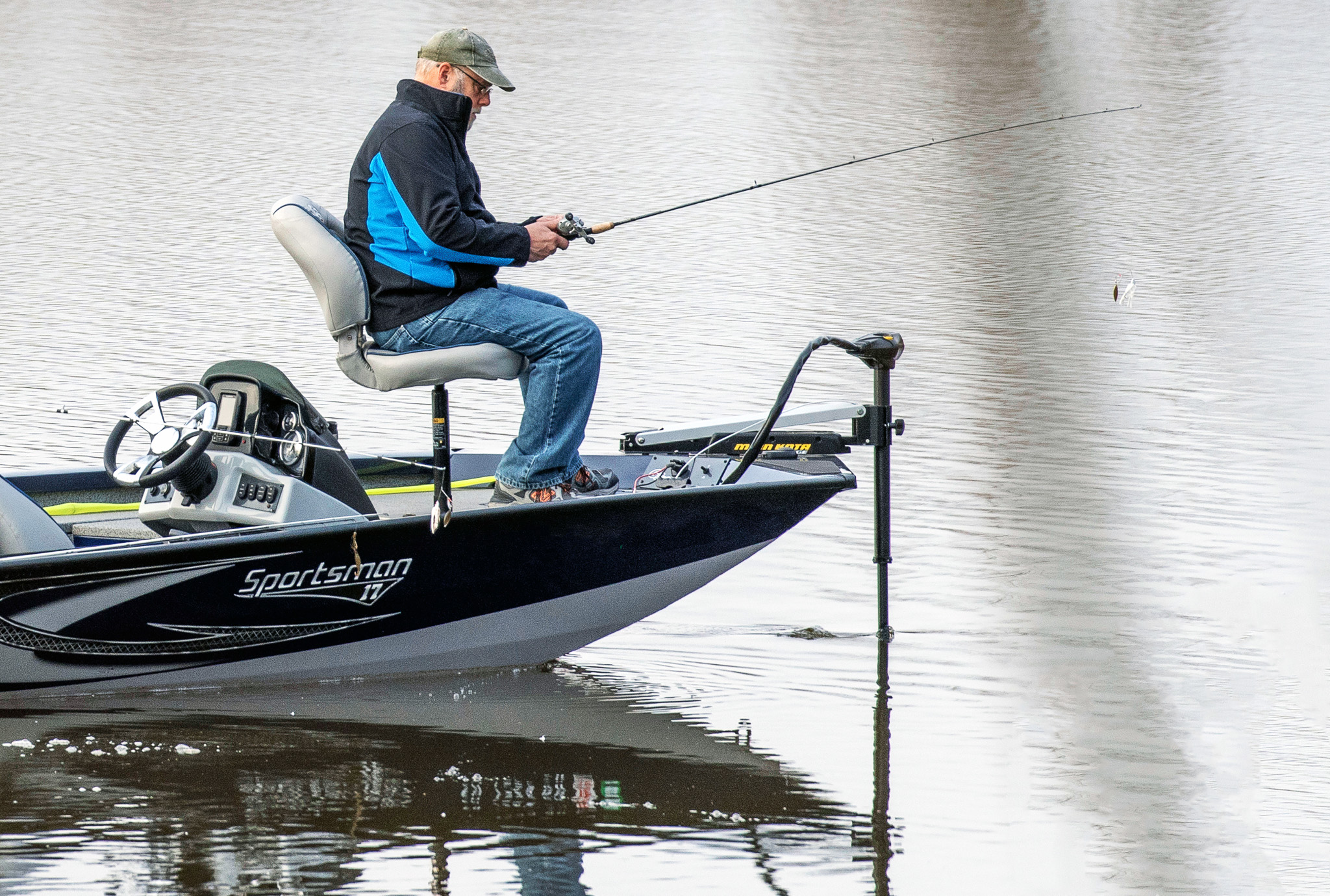
A trolling motor is a self-contained electric motor and propeller unit mounted separately from the main engine, typically on the bow or stern of a fishing boat. Unlike outboard and inboard engines that propel the vessel at speed, trolling motors are specifically engineered for slow, whisper-quiet, and highly precise boat positioning — the kind of stealth and control that is essential for serious fishing across all freshwater and inshore saltwater environments.
Benefits of Trolling Motors
- Silent Operation: Electric motors produce no combustion noise, making them ideal for approaching fish without detection — a critical advantage when targeting bass, walleye, and other wary species.
- Precise Boat Control: Variable speed from dead-slow to several mph lets you position the boat exactly where you need it, hold position in current or wind, or creep along a shoreline or weed edge without disturbing the water.
- Multiple Steering Options: Hand tiller, foot pedal, wireless remote, and smartphone app controls are all available depending on the model. Foot-pedal control is especially popular with tournament bass anglers who need both hands free.
- GPS Anchoring and Autopilot: High-end trolling motors use GPS to hold a precise waypoint regardless of wind or current — without dropping an anchor. Features like Spot-Lock, i-Pilot, and Heading Sensor hold precise position or follow a contour automatically.
- Low Running Cost: Electric motors cost cents per hour to run versus dollars per hour for gasoline. When used alongside a main outboard, trolling motors extend range and reduce overall fuel consumption significantly.
When Should You Use a Trolling Motor?
Trolling motors are the right tool for:
- Bass and walleye fishing on freshwater lakes and reservoirs
- Inshore saltwater fishing from flats boats and bay boats
- Trolling lures at precise depths and speeds for species like trout and salmon
- Kayak and small inflatable boat propulsion in calmer waters
- Controlled drifting along shorelines, weed lines, and structure
- Any situation where quiet movement and precision boat control outweigh the need for speed
What to Look for When Buying a Trolling Motor
- Thrust (in Pounds): The general rule of thumb is 2 lbs of thrust per 100 lbs of loaded boat weight. Wind exposure, current strength, and hull shape all influence how much thrust you need. Browse trolling motors by thrust rating.
- Mounting Position — Bow vs. Transom: Bow-mounted motors are preferred by serious anglers for superior control and maneuverability; the motor pulls the boat rather than pushing it. Transom-mounted motors are simpler to install and a good choice for smaller boats and casual use.
- Shaft Length: The shaft length must be long enough to keep the prop submerged in rough water. Measure the distance from the mounting surface to the waterline and add 12–20 inches for adequate submersion.
- Battery System and Amp-Hour Capacity: Trolling motors require a dedicated deep-cycle marine battery — or increasingly, lithium battery systems — with enough amp-hour capacity for a full day of use. Shop marine trolling batteries and multi-bank battery chargers at West Marine.
- Voltage — 12V, 24V, or 36V: Higher-thrust motors run on 24V or 36V systems requiring two or three batteries wired in series. This delivers more power and runtime efficiency for larger boats in challenging conditions.
Advanced Features Available on Modern Trolling Motors
Today's top trolling motors are genuinely sophisticated fishing tools. Leading models from Minn Kota, Motorguide, and other premier brands offer Bluetooth and Wi-Fi app connectivity, integrated sonar fishfinder transducers, waypoint recording to retrace productive routes, automatic contour-following to track depth curves hands-free, and turbine-style propeller designs that move the boat with exceptional efficiency and minimal noise. Investing in an advanced trolling motor pays dividends in fish caught and fatigue reduced over a full season on the water.
Shop All Trolling Motors at West Marine
Shop Marine Trolling Batteries
When to Replace a Failing Boat Motor: Repair vs. Replace
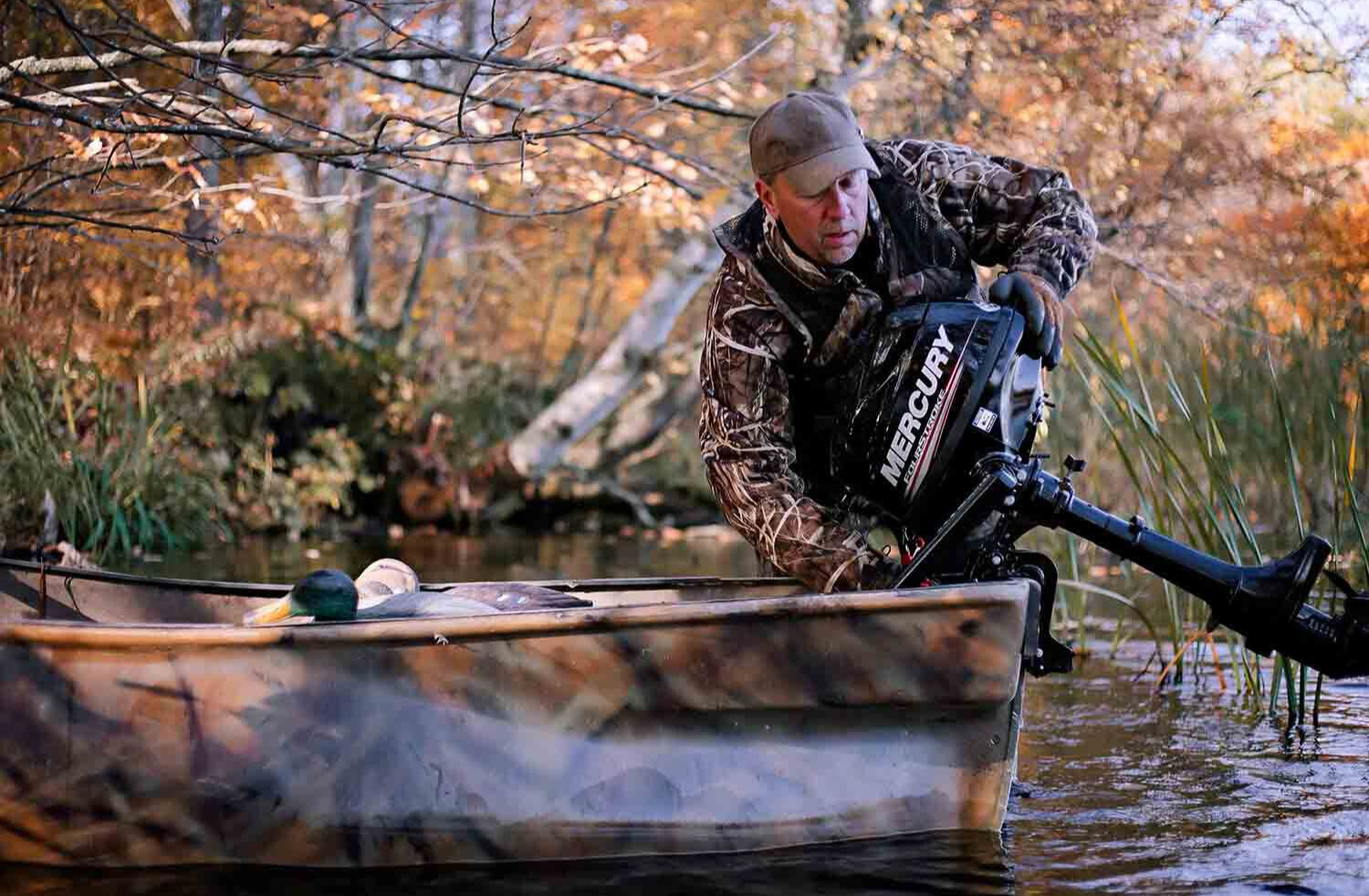
One of the most common questions West Marine customers ask is whether to repair or replace a struggling boat motor. While minor repairs are almost always worthwhile, there comes a point where continuing to invest in an aging or failing engine is neither cost-effective nor safe. Here's how to think through the decision:
Signs It's Time to Replace Your Boat Motor
- Repair costs exceed 50% of a replacement motor's price: When you're spending serious money to fix an old engine, replacing it with a new one often delivers better value, better reliability, and years of worry-free operation.
- Frequent or unpredictable breakdowns: If the motor fails regularly despite repairs, it's a reliability liability — especially offshore or in remote locations where a breakdown creates real safety risk.
- Parts are discontinued or unavailable: Older 2-stroke outboards and early fuel-injected motors can become difficult to service as OEM parts disappear from the market.
- Outdated emissions or no longer legal in your waterway: Many protected lakes, wildlife management areas, and coastal zones have adopted or are adopting stricter emissions rules that older 2-stroke motors cannot meet.
- Persistent overheating or poor fuel economy: These symptoms often indicate underlying damage to the cooling system, combustion chamber, or fuel delivery system that may cost more to fix than the engine is worth.
- Consistently rough running or failure to start: A motor that won't start reliably or runs erratically after addressing obvious causes (spark plugs, fuel, battery) may have deeper mechanical problems.
West Marine carries a broad in-stock selection of outboard and trolling motors with expert guidance available in-store and online for matching the right replacement engine to your vessel. If your inboard is no longer performing reliably, upgrading to a modern 4-stroke outboard or adding a trolling motor may be the smartest long-term investment you make in your boat.
Browse 4-Stroke Outboard Motors
Browse Electric Outboard Motors
Outboard vs. Inboard vs. Trolling Motor: Side-by-Side Comparison
Not sure which motor type fits your situation? Here's a quick side-by-side summary:
| Feature | Outboard Motor | Inboard Engine | Trolling Motor |
|---|---|---|---|
| Best For | Most recreational boats, fishing, pontoons | Large cruisers, watersports, offshore | Fishing, quiet maneuvering |
| Power Source | Gasoline (4-stroke) or electric | Gasoline or diesel | Electric (battery) |
| Maintenance | Easy, external access | More involved, internal access | Minimal, battery focused |
| Noise Level | Low–Moderate | Low at cruising speeds | Near-silent |
| Fuel Efficiency | High (4-stroke EFI) | Good (diesel) / Moderate (gas) | Excellent (electric) |
| Shallow Water | Yes — tilts up | No — fixed below hull | Yes — tilts up |
| Typical HP Range | 2.5–450+ HP | 100–1000+ HP | 30–112 lbs thrust |
| Installation | DIY to professional | Professional required | DIY friendly |
Boat Motor Buyer's Guide: Key Takeaways
- Outboard motors are the most versatile choice — easy to maintain, widely available, and suited to the widest range of recreational boats. Shop outboards at West Marine.
- 4-stroke outboards are the clear choice over 2-strokes for fuel efficiency, emissions, and quiet operation. Read the full 4-Stroke Outboard Motor Guide.
- Inboard engines deliver the power, balance, and longevity demanded by larger vessels. Professional installation and maintenance are required.
- Trolling motors are essential tools for serious anglers — providing silent electric propulsion and precise boat control. Shop trolling motors at West Marine.
- Replacing a failing motor is often more economical than repeated repairs, especially when repair costs exceed 50% of a new motor's price or parts are no longer available.
- Accessories matter: Budget for the right propeller, battery, engine oil, fuel additives, and motor cover to protect your investment.
Boat Motor Buyer's Guide: Frequently Asked Questions
Q: How can I tell if my boat motor is beyond repair?
There are several clear indicators that replacement may be the smarter move:
- Estimated repair cost exceeds 50% of a comparable new engine's price
- The engine consistently fails to start or runs rough despite addressing basic causes
- Fuel consumption is significantly higher than normal
- OEM parts are discontinued, backordered, or no longer available
- The motor no longer meets emissions standards required in your local waterways
Q: What should I consider before buying a replacement boat motor?
Evaluate your boat's specifications and how you actually use it:
- Your boat's size, weight, and maximum HP rating (on the capacity plate)
- Your primary boating activities — fishing, cruising, watersports, or offshore use
- Transom height and required shaft length
- Fuel preference — electric, gasoline 4-stroke, or diesel
- Steering system compatibility
Q: Can I upgrade from an inboard to an outboard motor?
Yes, and this is a popular upgrade path that many boaters pursue for simplicity and lower operating costs. However, switching motor types requires hull compatibility evaluation, transom reinforcement in some cases, fuel and electrical system modifications, and sign-off from a qualified marine technician. Never attempt an inboard-to-outboard conversion without professional assessment first.
Q: Is professional installation required for a new outboard motor?
- Inboard engines: Always require a professional marine technician for installation — no exceptions.
- Outboard motors: Small portable motors (under ~25 HP) can often be installed by an experienced DIYer. Larger motors with remote controls, rigging, and electrical integration benefit from professional setup.
- Trolling motors: Typically DIY-friendly, particularly transom-mount models. Bow-mount motors on larger boats may benefit from professional mounting.
Q: What horsepower outboard do I need for my boat?
Always start with your boat's capacity plate — it lists the maximum HP rating and must never be exceeded. From there, consider your use case: fishing and cruising typically call for the middle of your HP range for efficient, reliable performance; watersports and offshore use typically warrant larger motors. See our detailed 4-Stroke Outboard Horsepower Guide for a complete breakdown by boat type.
Q: How do I properly dispose of an old boat motor?
- Contact your local marina, marine service shop, or authorized dealer — many accept old motors for trade-in or proper disposal.
- Check for metal salvage or recycling programs in your area that accept marine engines.
- Drain all fluids (oil, fuel, gearcase lube) before transport and dispose of fluids at an approved recycling location — most marinas offer this service.
- Never dump engines, fuel, or oil in landfills, waterways, or unauthorized locations — environmental violations carry significant penalties.
More Boat Motor Resources from West Marine
- 4-Stroke Outboard Motor Complete Buyer's Guide
- 4-Stroke Outboard Horsepower Guide
- Choosing the Right Outboard Shaft Length
- EFI vs. Carburetor Fuel Systems Guide
- Trim and Tilt for Outboard Motors
- Outboard Steering Systems Explained
- Outboard Motor Weight by Horsepower
- 1, 2, 3 & 4 Cylinder Outboard Comparison
- Marine Starter Systems Guide
- West Advisor: DIY Outboard Motor Maintenance
- West Advisor: Winterizing Your Outboard Motor
- Shop Outboard Motor Parts
- Shop Marine Engine Oils & Lubricants
- Shop Boat Propellers