Anchoring




Shop Anchoring Gear at West Marine
When selecting anchoring and related gear, several factors need to be considered to ensure the safety and security of your boat. Here are some important things to keep in mind when selecting ground tackle for your boat.
Type of Bottom
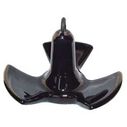
Different anchors are designed for different types of bottoms such as sand, mud, or rocks. For example, Danforth-style anchors, like West Marine Traditional and Fortress anchors, hold very well in sand and mud. On the other hand, plow-style anchors, like Bruce, CQR and Delta anchors are a better choice for rocky bottoms.
Anchor Rodes
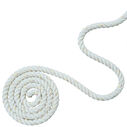
An anchor’s rode consists of the length of rope, chain or rope/chain combination that secures an anchor to a boat. The length and type of anchor rode required will depend on the size of the boat, the weight of the anchor, the depth of the water, and the conditions where the boat will be anchored.
West Marine offers pre-spliced rope/chain anchor rodes in different lengths and diameters. All-rope anchor lines are also offered which include a pre-spliced thimble and finished (whipped) end.
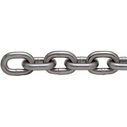
When anchoring in rocks or coral, an all-chain rode provides the best protection against abrasion. Using a length of chain between the anchor and the anchor line can also provide additional weight that helps to keep the anchor in place. When assembling a rope/chain anchor rode, as a rule of thumb, West Marine recommends a boat length of chain.
Anchor Chain
West Marine sells corrosion resistant, hot-dipped, galvanized chain in various grades, diameters, and breaking strengths. The chain you select will depend on whether or not you will be using a windlass. West Marine also offers stainless steel chain.
Windlasses Make Weighing Anchors Easy
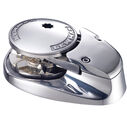
For all but the lightest of anchors, retrieving an anchor can be hard work. This is especially true for anchors with all-chain rodes! To save your back, consider equipping your boat with a bow roller and a windlass.
In this discussion, we have touched on various anchoring gear in extremely general terms. For additional advice on how to select anchoring and docking gear for your boat, browse to our library of West Advisor Articles.