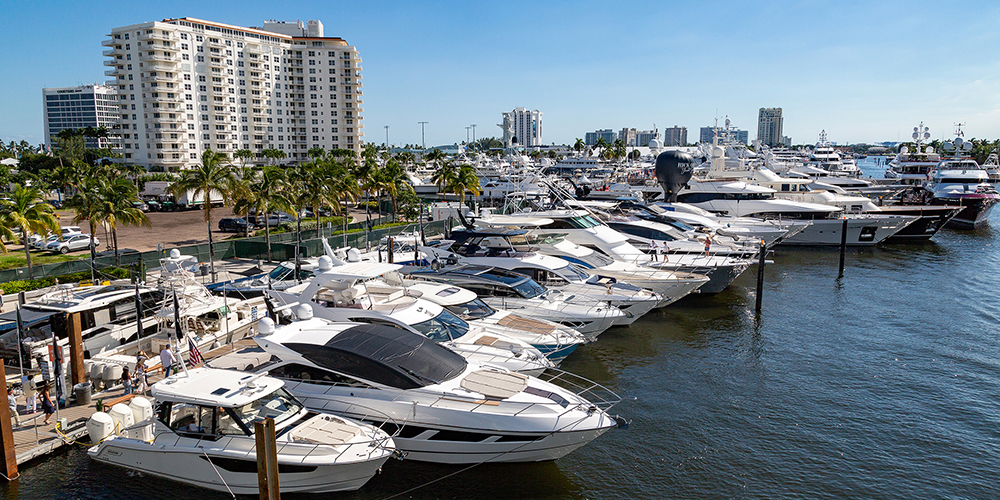
Thinking about getting your own boat, but don't know where to begin? To help you narrow down your search, here are 13 of the most popular types of powerboats — one of which might be just right for you.
- Jon Boats and Cartoppers
- Runabouts
- Pontoon Boats
- Bass Boats
- Center Console Boats
- Walkaround Fishing Boats
- Sportfishing Yachts
- Ski Boats
- Wake Boats
- Deck Boats
- Trawlers
- Express Cruisers
- Inflatable Boats
- Cost of Ownership
Jon Boats and Cartoppers
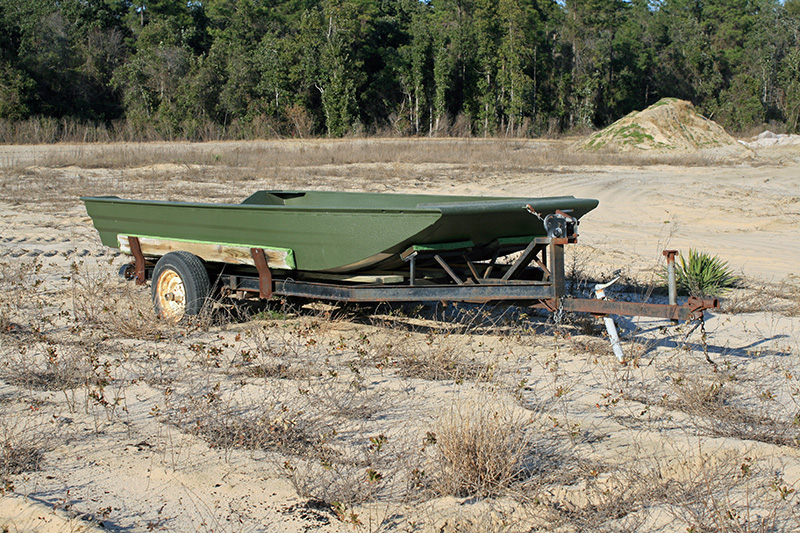
Ranging in length from small “car toppers” to around 20 feet, Jon boats are flat-bottomed aluminum or wooden boats with a shallow draft, and a signature square or semi-square bow. They provide a wide, stable platform, and can be used with an outboard motor or in the case of smaller models, rowed.
Best Use
Ideal for fishing in calm waters like coastal flats, ponds, lakes, and rivers, Jon boats excel in navigating shallow and weedy areas where larger boats can't go. They are also popular for hunting, crabbing, and general recreational use.
Cost
$500–$15,000
Size Range
8–20 feet
Propulsion
Oars, outboard motors, electric trolling motors electric trolling motors
Speed Range
5–35mph
Pros
- Affordable and lightweight
- Easy to transport and launch
- Versatile for various activities
Cons
- Not recommended for rough waters or open seas
- Minimal amenities and seating comfort
Runabouts
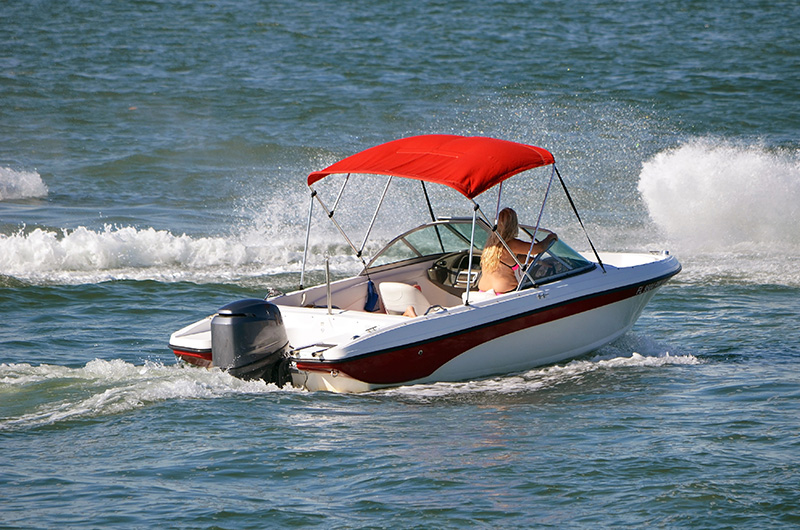
Runabouts are small to medium-sized boats known for their versatility and agility on the water. They have an open cockpit layout with seating for passengers, often equipped with comfortable cushions and storage compartments. Runabouts typically have a fiberglass hull designed for planing, enabling them to reach moderate speeds with outboard or stern drive propulsion. They're popular for day trips, watersports, and fishing, offering easy maneuverability and accessibility to shallow waters. With a focus on simplicity and functionality, runabouts provide an enjoyable and accessible boating experience for families and small groups.
Best Use
Fishing, watersports, entertaining
Cost
$1,000–$100,000+
Size Range
16–30 feet
Propulsion
25–150hp outboard
Speed Range
25–60mph
Pros
- Suitable for watersports, fishing, and day trips.
- Easy to handle
- Most can be trailered — which affords the opportunity to enjoy many boating destinations
- Amenities include comfortable seating options
Cons
- Small size limits storage and passenger capacity
- Not suitable for overnight stays
- Not suitable for offshore use or use in rough water
Pontoon Boats
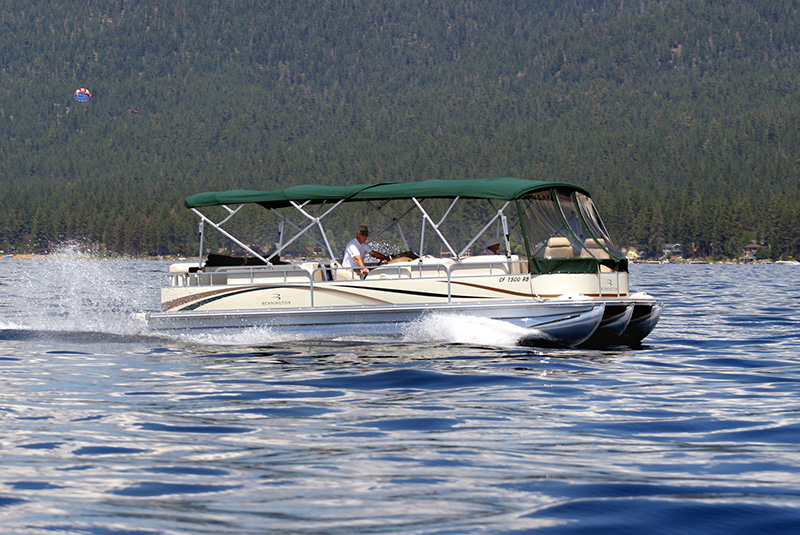
Known for their stability, spaciousness and versatility, a pontoon boat is a flat-decked boat supported by hollow, cylindrical, aluminum pontoons. They feature an open deck layout with plenty of seating, making them popular for leisurely cruising, fishing and entertaining. With adequate power, they can even be used for tubing and waterskiing. Suitable for use on lakes, rivers, and protected coastal areas, pontoon boats are a great way for families and friends to enjoy on-the-water fun.
Best Use
Entertaining and fishing. Tubing and waterskiing are possible with adequate power.
Cost
$5,000–$100,000+
Size Range
16–30 feet
Propulsion
Single or dual-outboard generating up to 300+ hp
Speed Range
15–45mph
Pros
- Can be used for a variety of activities.
- Spacious deck with plenty of comfortable seating.
- Stable, easy to board, good choice for persons with mobility issues, children and pets.
Cons
- May not offer the same speed and performance of other types of boats.
- Not suitable for the open ocean or rough conditions.
- Wide beam requires larger storage options.
Bass Boats
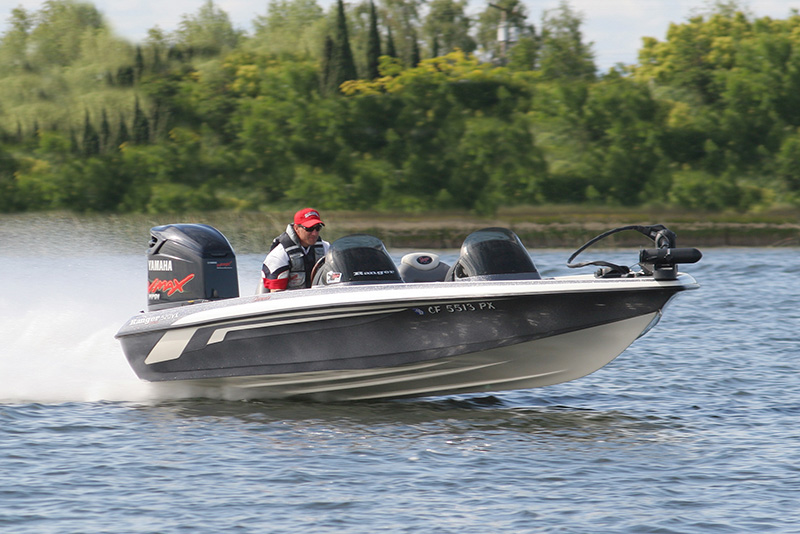
Designed strictly for bass fishing, bass boats give bass anglers exactly what they need. Equipped with powerful outboard motors, they quickly get anglers to a desired spot where a bow mount trolling motor is employed to stealthily maneuver the boat to the ideal casting location. Ranging from 16 to 25 feet long, bass boats are characterized by a sleek, aerodynamic, shallow draft, low-freeboard design with a flat bottom that enables them to enter shallow, weedy areas. Features also include fore and aft casting decks, a live well and plenty of storage for fishing rods, tackle, life jackets and other gear.
Best Use
Recreational and competitive bass fishing
Cost
$10,000–$100,000
Size Range
14–22 feet
Propulsion
50–250hp outboard
Speed Range
Up to 70mph or more
Pros
- Fast
- Capable of entering shallow areas
- Comfortable casting decks
- Plenty of storage for gear
Cons
- Not suitable for ocean use or rough waters
Center Console Boats
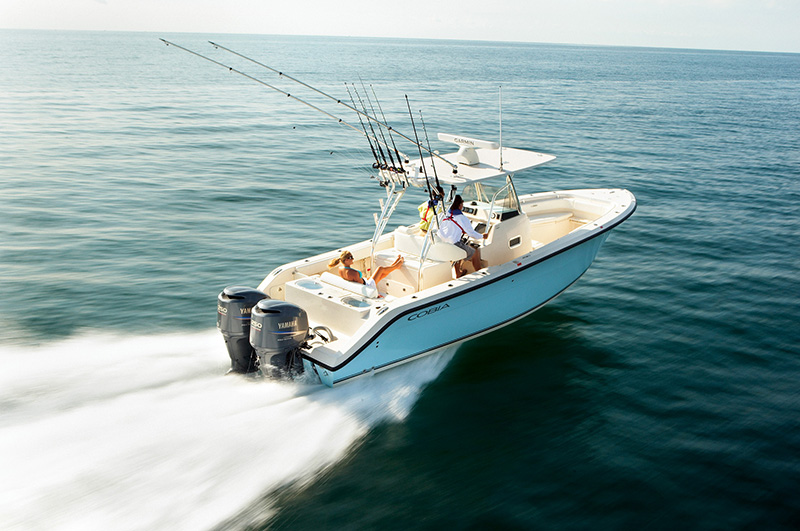
Center console boats are characterized by a central helm station located amidships, offering 360-degree access around the vessel. They feature an open deck layout, with a single console housing steering controls and electronics, providing ample space for fishing, diving, and other water activities.
Best Use
Inshore and offshore fishing, diving
Cost
$20,000–$1,000,000+
Size Range
15–50 feet or more
Propulsion
50–300hp outboard
Speed Range
15–70+ mph
Pros
- 360-degree access around the boat
- Versatile for various activities
- Seaworthy design capable of offshore use
Cons
- Limited protection from the elements
- Open design renders them unsuitable for overnight trips
Walkaround Fishing Boats
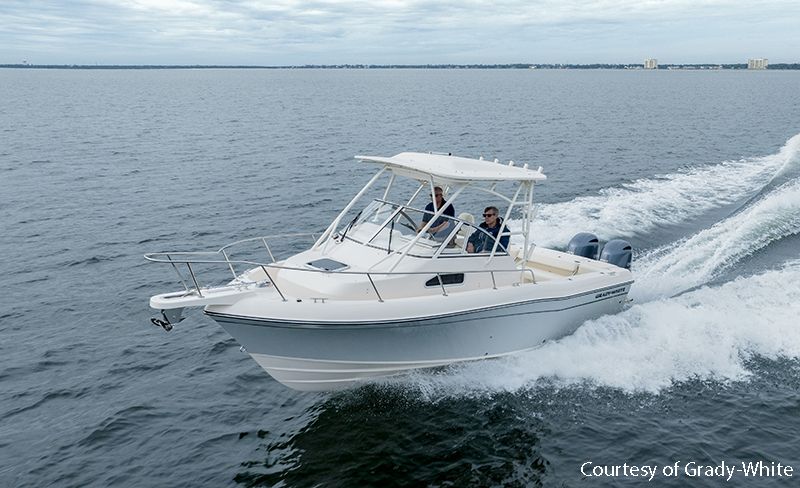
Take a center console boat (described above), enlarge the helm, add a cuddy cabin and viola, you have a walkaround fishing boat. As the "walkaround" moniker implies, these boats boast an unobstructed passway around the boat from the cockpit at the stern to the bow, which gives anglers the ability to fish 360 degrees around the boat. Unlike center console boats, the addition of a cuddy cabin (which includes sleeping births, and other amenities) gives anglers the ability to overnight on the water.
Best Use
Coastal and offshore fishing
Cost
$20,000–$200,000+
Size Range
18–35+ feet
Propulsion
90–250+ hp outboard
Speed Range
20–60+ mph
Pros
- 360 degree fishing functionality
- Cabin offers shelter and storage
- Seaworthy design good for coastal and offshore use
Cons
- Limited cabin space for extended trips
- Fewer amenities compared to larger vessels
Sportfishing Yachts
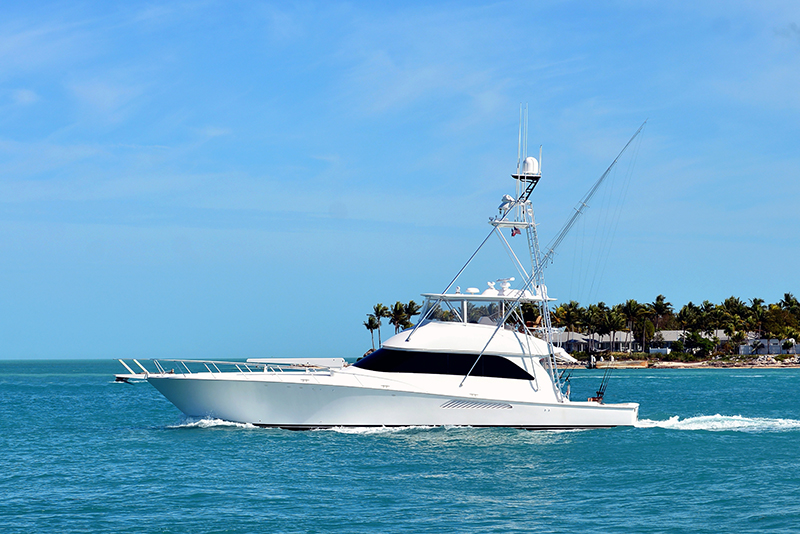
Sportfishing yachts are large vessels designed specifically for long-range, offshore fishing excursions. They boast spacious decks and plenty of amenities such as one or more staterooms, a galley, head, and entertainment areas. They include plenty of storage for fishing gear and may include features like a fighting chair and a tuna tower for spotting fish.
Best Use
Extended offshore excursions, tournament fishing, and leisure cruising
Cost
$200,000–$10,000,000+
Size Range
30–100+ feet
Propulsion
One or more diesel (most common) or gasoline inboard engines that provide from 200–1,000+ hp
Speed Range
20–58+ mph
Pros
- High-end amenities and comfort
- Long-range capabilities
Cons
- Expensive to purchase and maintain
- Require experienced crew for operation
- High maintenance, storage and insurance costs
Ski Boats
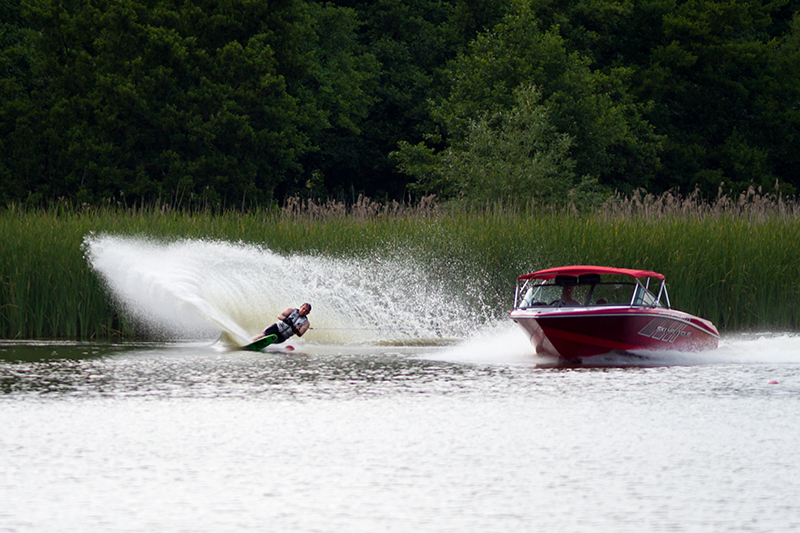
Designed to efficiently tow water skiers with minimal wake, ski boats typically have a relatively narrow beam, flat hull and an inboard engine (with a straight shaft leading to the prop which is safely located under the boat) near the center of the boat. This arrangement, which puts the engine’s weight forward, produces minimal wake, which is what skiers want. Many people consider 20 feet to be the optimum length for a ski boat. See our selection of water skis.
Best Use
Towing water skiers.
Cost
$10,000–$150,000+
Size Range
16–30+ feet
Propulsion
150–400+ hp inboard
Speed Range
30–45 mph
Pros
- Create a minimal wake, which is what skiers prefer.
- Centrally located engine and direct drive transmission helps ski boats to get out of the hole quickly.
Cons
- Limited onboard storage.
- Not a good choice for wakeboarding.
- Shallow draft hull makes them less stable in choppy conditions.
- Not the best choice for other water sports.
Wake Boats
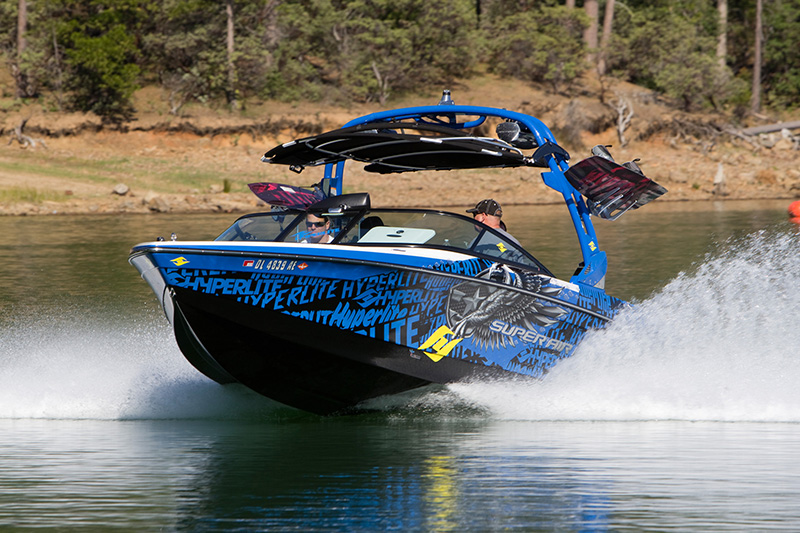
Wake boats, also known as a wake surfing boats, or wakeboard boats, are a highly specialized type of boat used to create a large wake for wake boarding and wake surfing. Wake boats range form 18–28 in length, have a deep V-shaped hull, an aft-located inboard engine and a ballast system that increases the size of the wake. Trim tabs, blades, wedges and contoured plates are used to shape or otherwise modify the wake. Most wake boats include a wake tower, which is an arch-like structure over the helm where wakeboard racks are mounted and where high-powered tower speakers are located.
Best Use
Creating large wakes for wake boarding and wake surfing.
Cost
$10,000–$300,000+
Size Range
18–25 feet
Propulsion
Most common: Aft-located 250–500hp inboard with V-drive.
Speed Range
20–30mph. (10–15mph when towing a wakeboarder)
Pros
- Do what they are designed to do: Create large wakes.
- Comfort: Amenities often include comfortable seating, ample storage, and a stereo system.
- Resale Value: Wake boats often retain their value well compared to other types of boats.
Cons
- Cost: Wake boats tend to be expensive.
- Limited Use: Wake boats are primarily designed for wakeboarding and wake surfing, meaning they are not a good choice if versatility is what you are after.
- Environmental Impact: The large wakes created by wake boats can cause erosion and disturb wildlife in some areas.
- Storage and Transportation: Wake boats are often larger and heavier than other types of boats, which can make them more challenging to store and transport.
- Learning Curve: Using ballast systems, adjusting speed, and shaping the wake takes practice and skill.
Deck Boats
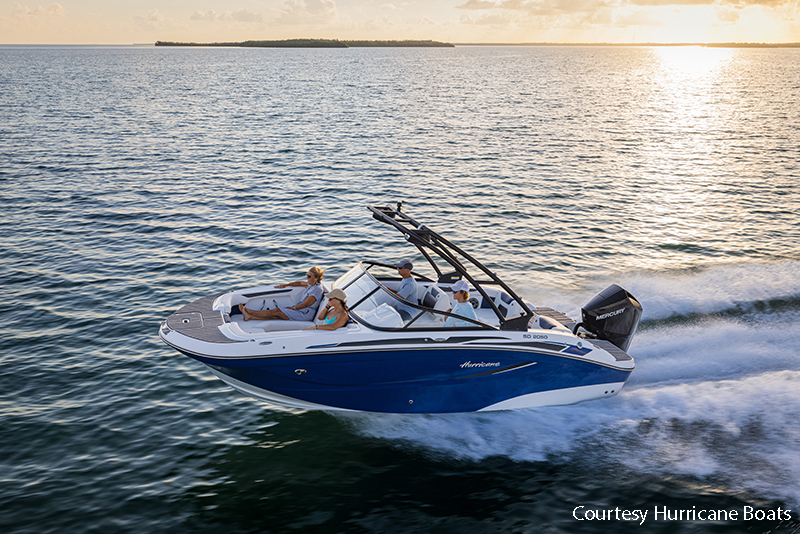
Deck boats are characterized by their spacious and open deck layout, providing ample seating and room for passengers to move around comfortably. They typically feature a wide, stable hull design and a variety of amenities such as swim platforms, boarding ladders, and storage compartments, making them versatile vessels suitable for various activities like fishing, watersports, and entertaining.
Best Use
Fishing, water skiing, tubing, entertaining
Cost
$5,000–$100,000
Size Range
16–30 feet
Propulsion
Outboard, sterndrive, jet drive or inboard engines with 50–500hp.
Speed Range
25–50mph
Pros
- Ample seating and space for passengers
- Versatile for watersports, fishing, and entertaining
- Stable and comfortable ride
- Suitable for families and large groups
Cons
- Not a good choice for offshore or overnight use
- Less storage space compared to larger vessels
- Do not handle rough waters as well as deeper V-hull boats
Trawlers
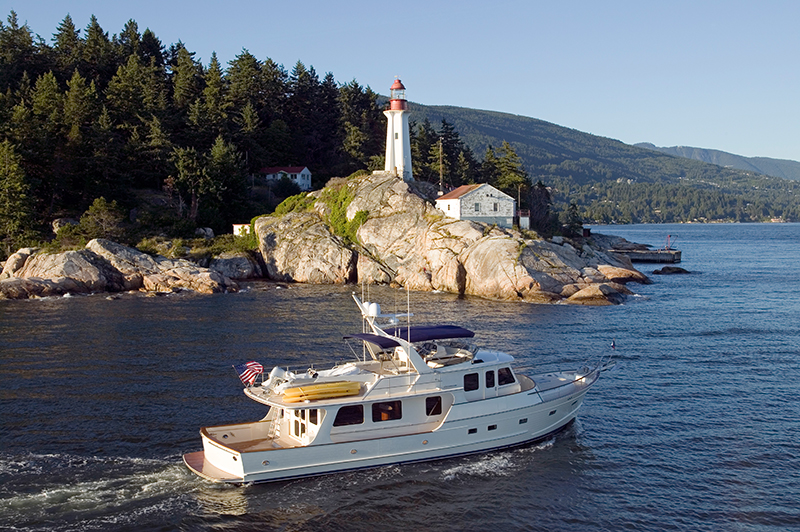
Trawlers are sturdy, seaworthy vessels designed for long-range cruising and liveaboard comfort. With efficient diesel engines and comfortable accommodations including a main salon, one or more staterooms, a galley, a shower, and marine sanitation systems, they offer cruisers the ability to explore coastal waters and distant destinations in comfort and style.
Best Use
Trawlers are best suited for long-distance cruising, offering comfort and stability for extended periods on the water.
Cost
$30,000–$1,000,000+
Size Range
30–60 feet
Propulsion
Single or twin diesel engines generating 50–600hp or more
Speed Range
8–23mph
Pros
- Fuel Efficiency: Relatively low fuel consumption allows for extended cruising range without frequent refueling.
- Stability: Their heavy displacement hulls provide stability in rough seas.
- Spacious Interiors: Trawlers typically have ample living space, including one or more staterooms, a main salon, a galley, and sanitary facilities.
- Long-range Cruising: With large fuel tanks and efficient engines, trawlers can travel long distances without the need for frequent stops.
- Versatility: Trawlers are suitable for both coastal and offshore use with larger models capable of long blue water passages.
Cons
- Speed: Trawlers cruise at slower speeds compared to planing hull boats.
- Initial Cost: The initial purchase price of trawlers can be higher compared to other types of recreational boats, reflecting their size, features, and capabilities.
- Docking and Maneuverability: Trawlers may be more challenging to dock and maneuver in tight spaces.
Express Cruisers
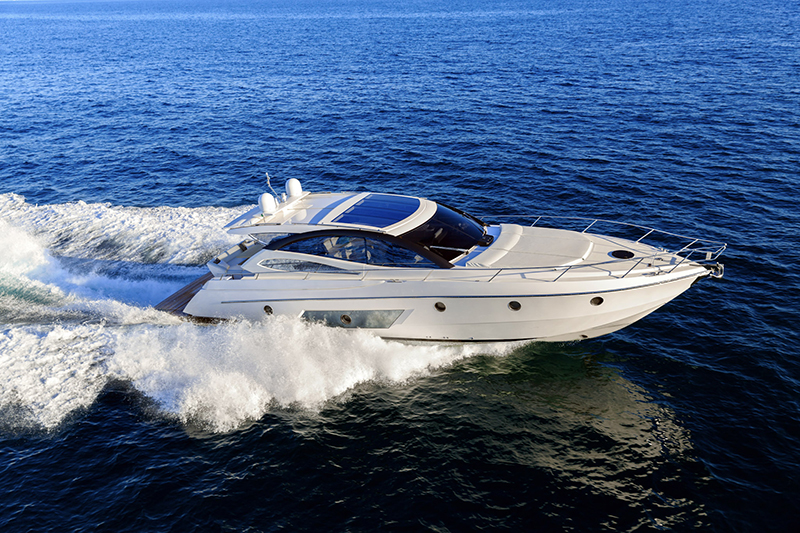
Express cruisers feature sleek, aerodynamic designs with low profiles and open cockpits, emphasizing speed and luxury. They typically have a single deck layout with spacious interiors, large windows, and ample seating areas both inside and out. Express cruisers often include amenities such as sun lounges, wet bars, and swim platforms, combining performance with comfort and style.
Best Use
Express cruisers are ideal for day trips, weekend getaways, and coastal cruising adventures.
Cost
$20,000–$1,000,000+
Size Range
25–50+ feet.
Propulsion
Single or dual inboard or inboard/outboard engines generating 200–500+hp
Speed Range
23–58mph
Pros
- Speed: Express cruisers are known for their high-performance capabilities, offering exhilarating speeds and nimble handling on the water.
- Luxury Amenities: Amenities include spacious cabins, a full galley, and elegant furnishings.
- Entertainment Spaces: Express cruisers are designed for socializing and entertaining, common features include ample seating areas, wet bars, and entertainment systems both inside and on deck.
- Aesthetics: Their sleek and stylish designs make express cruisers stand out on the water.
Cons
- Limited Space: May have limited living space compared to larger yachts or trawlers, making them less suitable for extended voyages or liveaboard lifestyles.
- Fuel Consumption: High-performance engines can lead to significant fuel consumption.
- Docking Challenges: Maneuvering and docking an express cruiser can be challenging, especially in crowded marinas or tight spaces.
- Limited Seaworthiness: While suitable for coastal cruising, express cruisers may not offer the same level of seaworthiness as larger vessels with displacement hulls.
Inflatable Boats
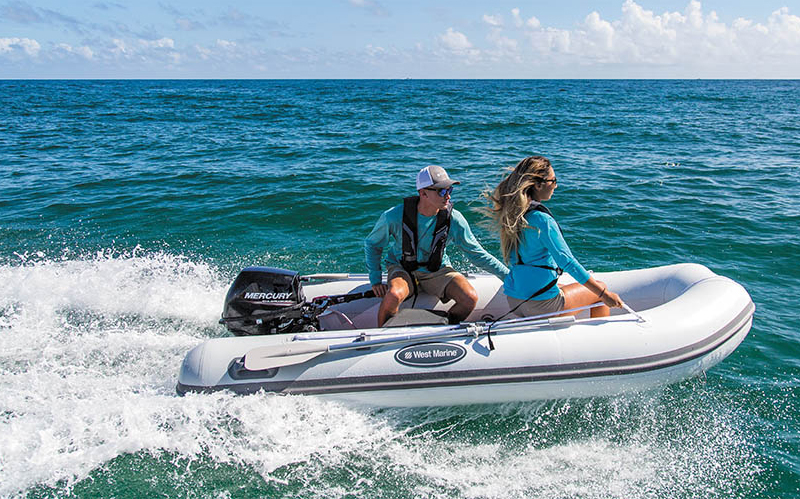
Inflatable boats come in a variety of designs that fall into the following categories:
- Light-Duty Inflatable Boats
- Inflatable Sport Boats
- High Pressure Floor Inflatable Boats
- Rigid Hull Inflatable Boats (RIBs)
Rather than giving the pros and cons of each type of inflatable boat, we suggest that when shopping for an inflatable boat, you evaluate each type of boat in terms of its portability versus its performance. RIBs are the fastest, with high-pressure floor inflatable boats a close second, followed by inflatable sport boats, with light-duty inflatable boats bringing up the rear. For a complete guide to selecting an inflatable boat that is right for you, see our Buyer's Guide to Inflatable Boats.
Cost of Ownership
The cost of owning a boat extends beyond the initial purchase price and includes expenses such as storage, maintenance, and insurance. Storage costs vary depending on whether the boat is trailerable, dry stored, or kept in a wet slip. Maintenance costs increase with boat length and complexity, including engine maintenance, hull cleaning, and repairs. Insurance premiums also vary based on factors such as boat value, usage, and cruising area.
Conclusion
We hope that this article has put you one step closer to casting off on your own on-the-water adventure. Whether you're a fishing enthusiast, watersports aficionado, or leisure cruiser, there's a boat out there with your name on it — ready and waiting for you.
We're here to help!
Online and in our stores, boaters find more of what they need at West Marine. For additional help on selecting a boat that is right for you, see our West Advisor article Questions to Consider When Shopping for a Boat. For the location of a West Marine store near you, click on our handy store locator.